Same day interstate delivery has advanced rapidly within Australian cities, but extending that speed across state borders creates a new level of logistical complexity.
For businesses attempting to stay competitive, offering fast national delivery is becoming increasingly important.
Services like same day interstate delivery are helping fill this gap, but behind the scenes, there are several logistics difficulties that must be attentively managed.
Knowing these problems gives businesses to better prepare, optimise operations and deliver a consistent customer experience across long distances.
Australia’s geography and distance barriers with same day delivery
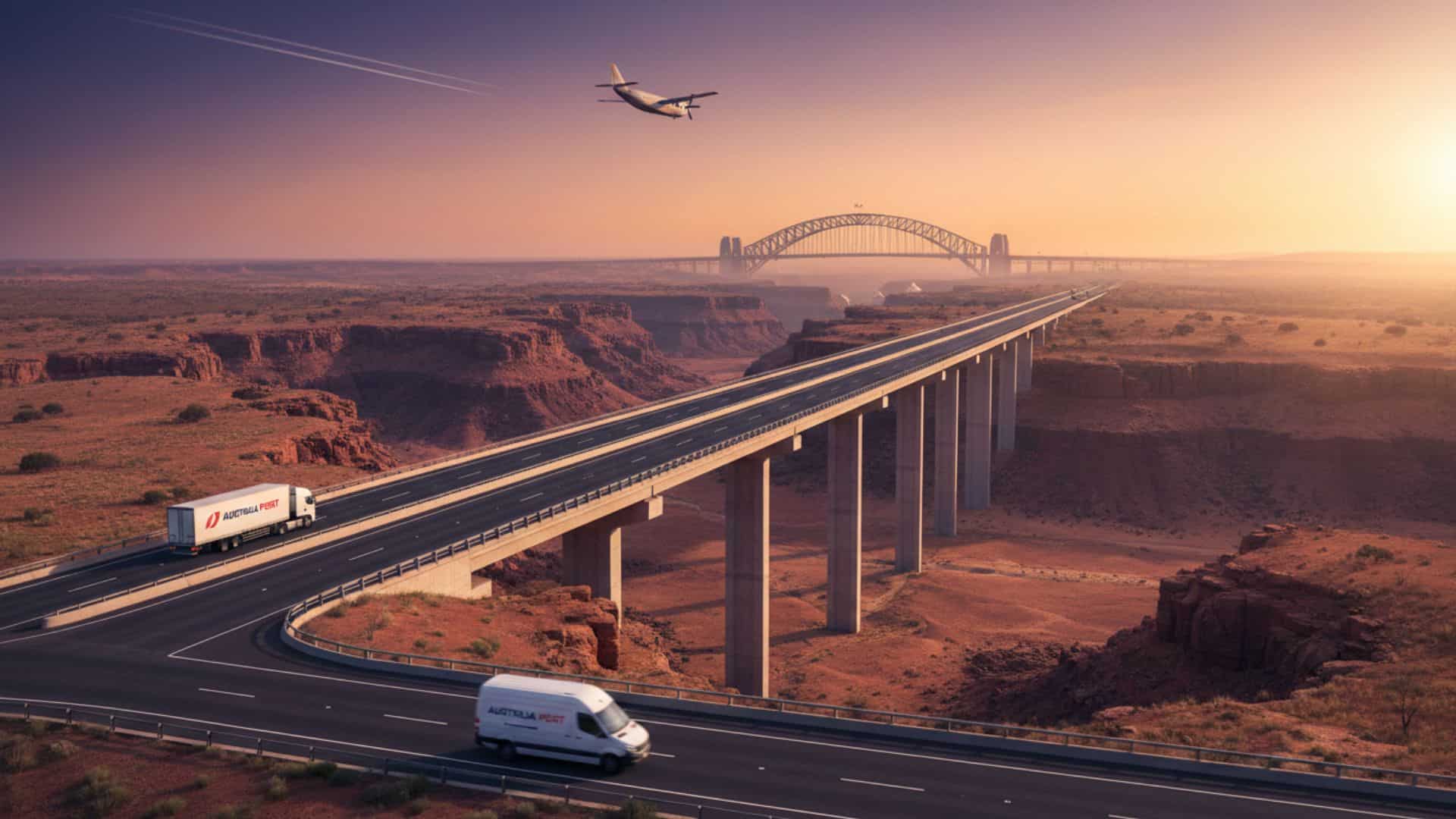
Australia’s vast landmass is one of the biggest logistical obstacles for interstate courier services.
Unlike less small countries in which cities are closely connected, major Australian hubs such as Sydney, Melbourne, Brisbane and Perth are separated by large distances.
Covering these distances within a single day calls for accurate coordination between air and road transport. Even short delays can have a chain reaction throughout the delivery chain.
Businesses have to account for these geographic realities when planning same day interstate fulfilment.
Strategic routing and strong transport partnerships are essential to defeating these distance related challenges.
Why Is Same-Day Interstate Delivery So Difficult in Australia?
The short answer: distance, disruption, and demand. But each of those deserves a closer look because the details matter when you’re trying to build a reliable courier operation that spans multiple states.
Broad Geography and Interstate Distances
Australia is roughly the same size as the contiguous United States, but with a fraction of the population and far fewer transport corridors connecting its cities.
Most Australians live clustered along the eastern seaboard, which means interstate freight often travels through long, sparsely populated corridors with limited fallback options if something goes wrong.
Consider a package moving from Sydney to Broken Hill. Under normal conditions, that’s a two-to-three-day journey by road.
Same-day? Virtually impossible without air freight, and even that comes with constraints around scheduling and regional airport access.
This isn’t a problem you can simply throw more vans at. The distances involved fundamentally change the economics and feasibility of same-day commitments.
Extreme Weather and Route Disruptions
All of the frequent floods in Queensland and New South Wales, cyclones in the north, bushfires across Victoria and South Australia, summer storms that turn highways into rivers.
And it’s not just rural highways. Peak-hour traffic congestion in Sydney and Melbourne adds hours to critical last-mile legs, compounding delays that originated hundreds of kilometres away.
A parcel might make excellent time on the interstate stretch only to sit in gridlock for the final 15 kilometres.
Driver Shortages and Labour Constraints
Australia’s logistics sector has been dealing with a persistent shortage of skilled drivers, and the problem is especially acute for interstate and regional routes.
These runs are longer, more physically demanding, and less attractive to drivers who can earn comparable wages on shorter urban circuits.
Luckily same day interstate delivery demands exact cross-state coordination. You need the right driver, with the right vehicle, in the right place, at the right time.
And when your driver pool is thiner than others, specifically during peak periods or after major disruptions, the whole model starts to creak more than people should be comfortable with.
High Costs, Rising Expectations, and Last-Mile Pressure
There is a single number that should give every logistics operator pause: last-mile delivery accounts for roughly 53% of total logistics costs.
This is a figure that rises quite sharply when you add interstate same-day requirements into the mix, with premium freight rates, overtime, and emergency rerouting all piling on.
Rising fuel costs, sustainability mandates, and security requirements further compress margins.
The gap between what customers expect and what’s operationally viable at a reasonable cost is where many same-day interstate services struggle to find solid footing.
Real time visibility and tracking complexity
Customers expect transparency when choosing same day delivery, especially for interstate shipments. Providing accurate tracking throughout multiple transport stages can be challenging.
Each leg of the trip may include different systems and data sources. Merging this information into a single, user friendly tracking experience needs robust technology.
Real time visibility is not just important for customers. It also enables businesses to identify delays early and take corrective action when needed.
Preserving consistency across long distances
Delivering a consistent customer experience across state lines is a key challenge. Customers expect the same level of service regardless of where they are located.
This includes accurate delivery windows, reliable handling and professional courier interactions. Achieving consistency requires standardised processes and strong quality control across all touchpoints.
Regular performance monitoring and assessment loops help maintain high service standards.
Converting challenges towards opportunities
While the logistics of same day interstate courier services in Australia are complex, they are not impossible.
Businesses that invest in the right infrastructure, partnerships and technology can overcome these problems and provide outstanding service.
Same Day Interstate capabilities open the door to national reach, improved customer satisfaction and stronger competitive strategy.
By comprehending the logistics involved and planning accordingly, firms can turn complexity into a competitive advantage.