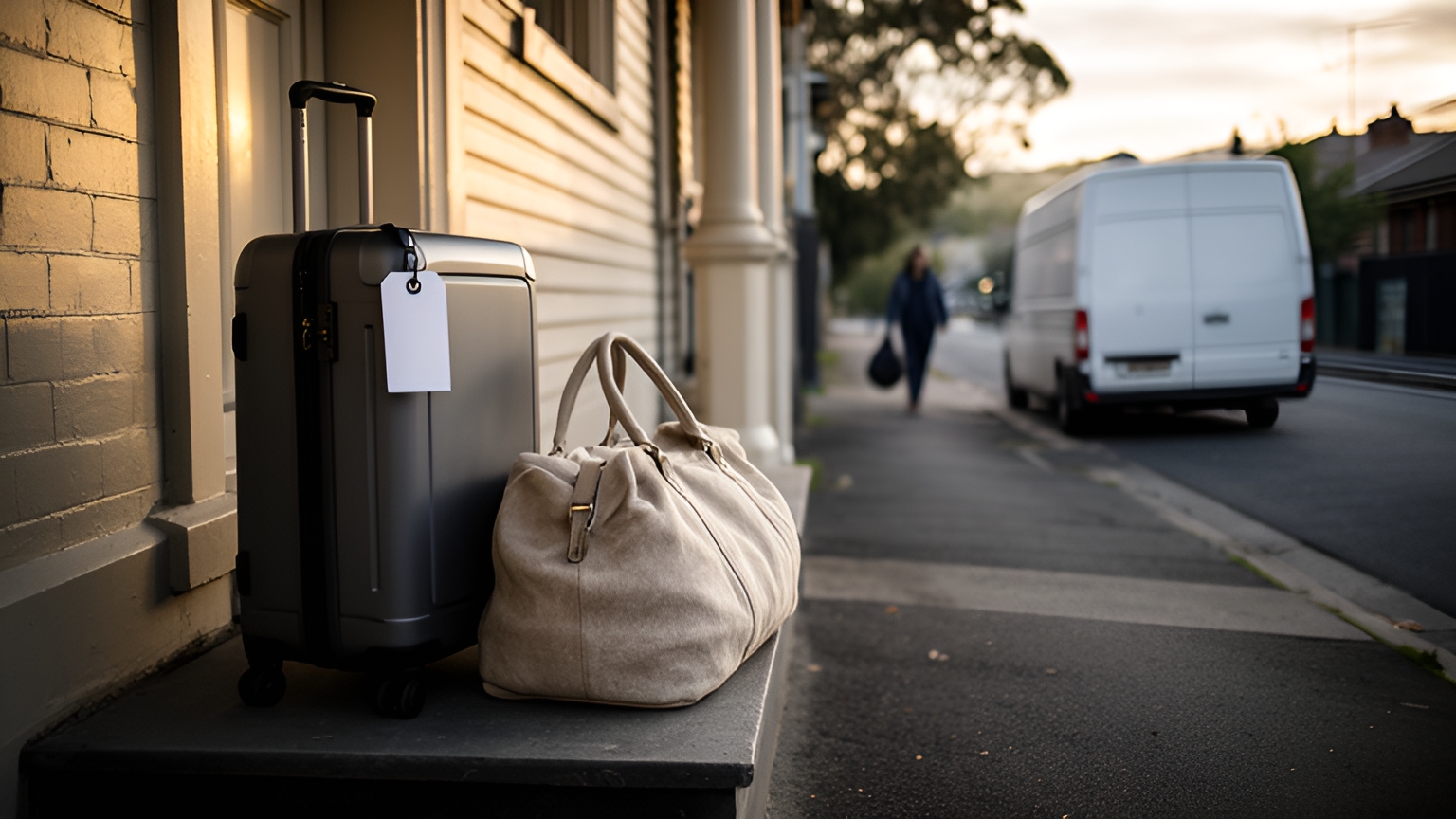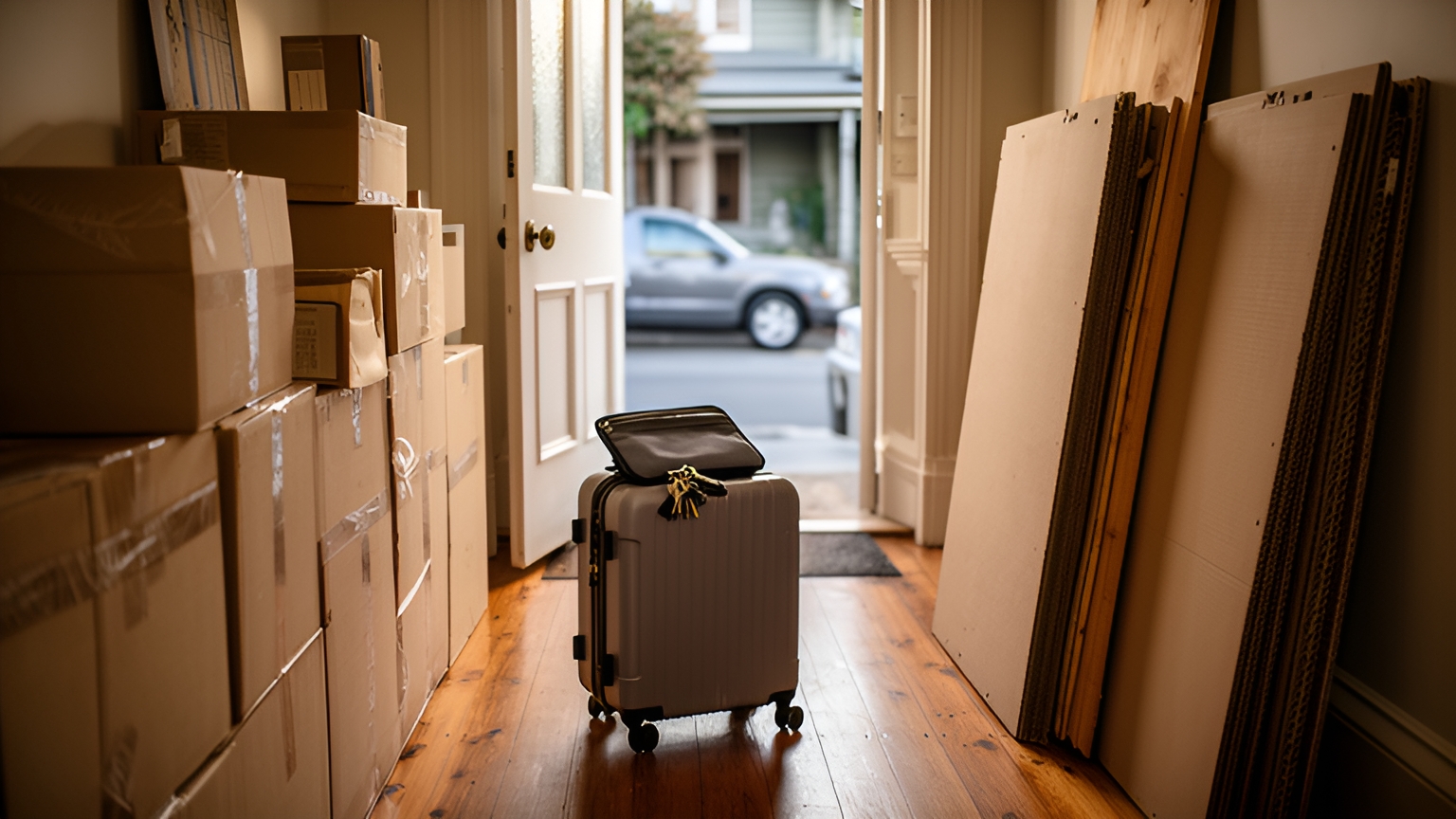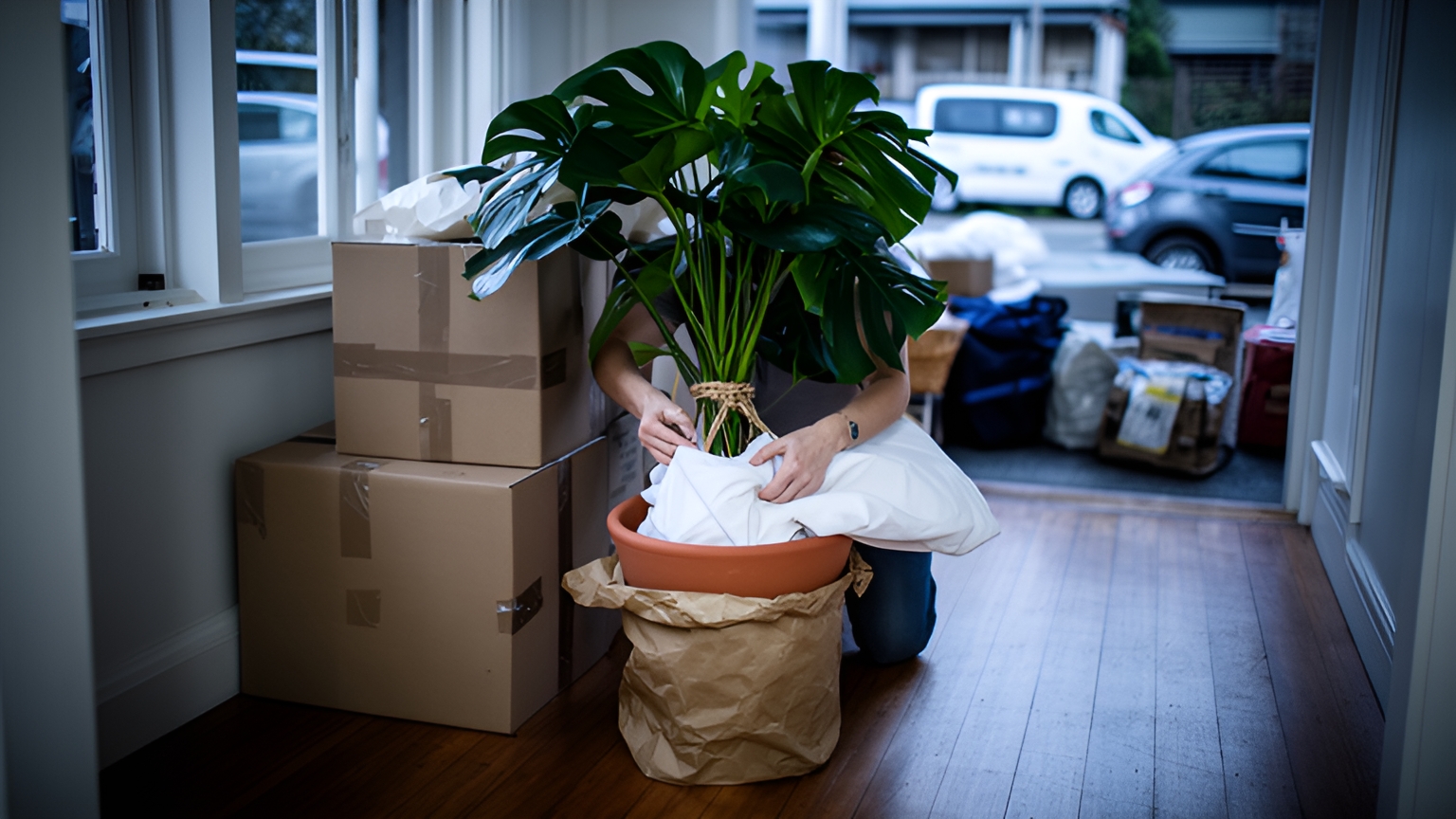
To transport a plant interstate, start by checking whether the destination state, and any quarantine zone you leave from, will accept your plant and its soil. Next, check the forecast and avoid long stops in hot weather, including hot nights. Then choose the shortest door-to-door trip you can. If the plant cannot go, rehome it and start fresh.
Three questions that decide how your plant should travel
A plant is not like a box of books. It is alive, it reacts to heat, and it can carry soil and pests that biosecurity agencies want to know about. So the plan starts with three questions, not with a booking.
- Is it allowed out of where it is now, and into where it is going? If the answer is no, or you cannot get a clear answer, the plant stays behind. Give it to a friend or neighbour, take a few photos, and buy a similar plant once you arrive.
- Will the trip run through hot weather? If a heatwave is forecast at either end, time in transit (the hours between pickup and delivery) matters more than usual. A shorter trip, or a cooler week, is worth the wait.
- Could the plant cope with a stop along the way? A hardy succulent may handle a longer road trip in mild weather. A soft-leaved indoor plant, a seedling or a plant with sentimental value is better on the shortest trip you can arrange.
Your answers point to a delivery type. Allowed, cool weather and a tough plant: a road trip is a reasonable choice. Allowed, but hot weather or a fragile plant: compare the fastest door-to-door option between the two cities first.
If the plant is one of several things leaving ahead of a move, add the destination check to your checklist for sending things ahead when you move interstate, so it is done well before moving week gets busy.
How to check plant rules where you leave from and where you arrive
Plant checks work in both directions. Each state and territory has its own biosecurity arrangements at its borders, and many also have quarantine zones inside the state. The place a plant leaves from can matter as much as where it is going.
The simplest place to start is the national interstate quarantine site, interstatequarantine.org.au. It has a search map of what may be taken to each destination, and a hotline on 1800 084 881 if your plant or your route is not clear.
Before you search or call, have these ready:
- the plant's common name and, if you have it, the botanical name from the nursery tag
- the suburb and postcode it is leaving from, and the suburb it is going to
- what it is growing in: potting mix, garden soil, water, or nothing at all
- a clear photo of the whole plant, the pot and the top of the soil
Then confirm your exact plant with the destination state's biosecurity agency. Write down who you spoke to and when, and keep any written answer or paperwork with the plant and on your phone.
Two destinations deserve extra care. Tasmania and the Riverland region of South Australia are recognised by many of Australia's trading partners as free of both Queensland fruit fly and Mediterranean fruit fly, so expect close checks and confirm before you pack anything.
If the answer is no, that is useful to know early. Leaving the plant with a friend, or with the next residents along with a care note, is a far simpler outcome than a plant held at a check.
Sending plants from South East Queensland: start with the fire ant zones
If your plant is leaving South East Queensland, from Brisbane, the Gold Coast, the Sunshine Coast, Ipswich or Logan, check the fire ant zones before anything else. ABC News reported in July 2023 that red fire ants can travel on nursery plants, in soil and on machinery, which makes a potted plant and its soil the first things to check.
The National Fire Ant Eradication Program publishes the zones and notes that they change. Rules may apply to moving potted plants, soil and other garden materials out of a zone, so check your address on fireants.org.au rather than relying on what someone else found last year.
- Check the exact pickup address on the zone map, not just the suburb name.
- If you are moving, check again close to pickup day, since a zone can change between planning and packing.
- Then run the destination check from the section above. Clearing the Queensland side does not answer the question for the state the plant is going to.
Keep the plant where it is, in its current pot, until both answers are in. That way nothing you do while packing gets ahead of the advice you receive.
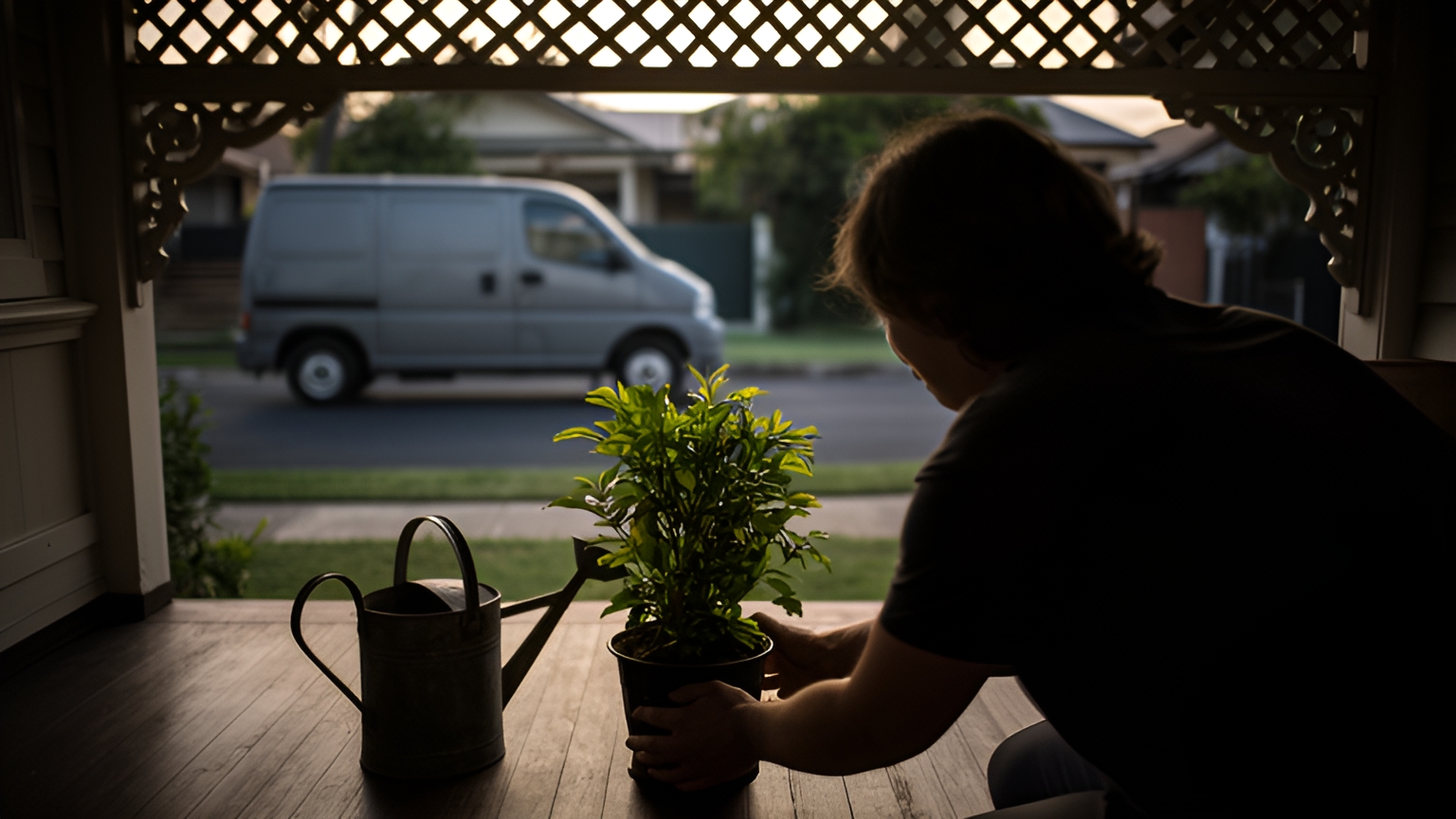
How summer heat and hot nights shape the timing of a plant delivery
Heat is the factor you can plan around most easily. The Bureau of Meteorology's preliminary summary found that Australia experienced its fourth-warmest year on record in 2025, with temperatures 1.23 °C above the 1961 to 1990 average.
The timing of that heat matters too. The same Bureau of Meteorology summary notes that between January and March, and between October and December 2025, large parts of Australia experienced heatwave conditions, reaching extreme severity at times. Those months take in late spring, summer, the long school holidays and Christmas, so a plant moving then is worth planning around the forecast.
Nights count as well. The Bureau of Meteorology explains that a heatwave is when the maximum and minimum temperatures are unusually hot over 3 days. If hot nights are part of a heatwave, a plant waiting overnight in a parked vehicle or an uncooled building is not getting a break from the heat.
Turn that into a plan:
- Check the Bureau of Meteorology forecast for both cities, and for any towns along a road route, in the week before pickup.
- If a heatwave is forecast at either end and the plant can wait, move the pickup to a cooler week.
- Choose a trip with as few pauses as possible, especially pauses that would run overnight or over a weekend.
- Pick a delivery day when the receiver can take the plant inside on arrival, rather than leaving it on a sunny doorstep.
- If the plant must travel in hot weather, compare the fastest door-to-door option before a longer road trip.
Winter has its own planning point. A plant heading to Canberra, Hobart or Melbourne in the cold months will settle better if it goes straight to a sheltered spot, so ask the receiver to have one ready.
Choosing between driving it yourself, a road delivery and a next-flight trip
Three options cover most plant moves. Driving it yourself is exactly that: the plant rides with you.
A road delivery is a booked trip by van or truck. On longer routes, an item may change vehicles at a depot, which is a building where parcels are sorted and wait for the next leg.
A next-flight trip puts the item on the next available commercial flight, with road pickup and delivery at each end. It depends on cut-off times, meaning the latest an item can reach the airport for a given flight, and on flight availability.
| Option | Best suited to | What to plan for |
|---|---|---|
| Driving it yourself | You are already making the trip, the plant is hardy and the weather is mild | The same destination checks apply. Stops for fuel, food and sleep can leave the plant in a hot, closed car, so plan where it waits. |
| Road delivery | Hardy plants, cooler months, and routes between nearby capitals such as Sydney and Canberra | Ask how the item will travel and whether it will wait anywhere overnight. A trip to Tasmania includes a Bass Strait crossing. |
| Next-flight trip | Fragile, precious or heat-sensitive plants, hot weeks, and long distances such as Perth to Sydney | Depends on cut-off times and flight availability. Rules on what can be carried by air may apply. |
Worked example, on stated assumptions: a monstera in a plastic pot is going from a Melbourne apartment to a sister's home in Sydney in December. Assume the destination check came back clear and the forecast shows a hot week. Driving means a long day with stops in a warm car, a road delivery may include a wait along the way, and a next-flight trip keeps time in transit short, so in this case the flight is the option to compare first.
Change one assumption and the answer changes. In a cool month, with a hardy succulent instead, a road trip is a sensible choice.
Two more checks before you choose:
- Air travel: rules on what can be carried by air may apply to the plant and to anything packed with it, such as fertiliser or plant spray. Check with the Civil Aviation Safety Authority before choosing a flight option.
- Cover: if a booking offers cover, meaning insurance for loss or damage, read whether its terms include live plants before you rely on it.
When you compare options, ask how each one handles the gap between pickup and arrival. The overview of same-day interstate delivery explains how next-flight trips work between capital cities.
What to tell the driver and the receiver before a plant travels
A plant trip goes smoothly when everyone handling it knows it is alive. A few clear messages at booking time do most of the work.
Tell the driver who accepts the job:
- It is a live plant and needs to stay upright.
- It should not be left in a parked, closed vehicle, especially on a hot day.
- Where any paperwork or written confirmation from the biosecurity agency is kept.
- Who to call if the plant is stopped at a check, with a phone number that will be answered on the day.
Tell the receiver:
- The expected delivery window, agreed in the receiver's local time. Queensland, Western Australia and the Northern Territory do not use daylight saving, so the time difference to them changes between summer and winter.
- To be home, or to name someone who will be, so the plant is not left on a doorstep.
- To have a shaded, sheltered spot ready and to unpack the plant straight away.
- To send you a photo on arrival, so you both know how it travelled.
For the box itself, the basics in the packing guide for sending boxes interstate apply: a sturdy box, padding so the pot cannot slide, and clear This Way Up markings. For a plant, also leave room above the leaves so they are not crushed, mark the box Live Plant, and take a photo before it leaves.
Booking a next-flight plant delivery through Zoom2u
Once the plant is cleared at both ends, the job is to keep its time in transit short.
With Zoom2u's Next Flight Courier, you book through the platform, an independent driver accepts the job and collects the plant, and it travels on the next available commercial flight. Delivery can be same day, depending on cut-off times and flight availability. No label is needed.
Before you book, the capital city routes page shows routes, daily flights and transit times between capitals, so you can match the trip to the forecast at both ends.
Bring the earlier planning into the booking. Note that it is a live plant, share who to call if it is stopped at a check, and make sure the receiver has a shaded spot ready. The plant checks and the weather still come first, and the booking simply keeps the trip short.
Frequently asked questions
Can you drive your plants across the border yourself instead of sending them?
Driving yourself does not change the checks: the same destination limits apply whether a plant travels in your car, with a driver or on a flight. The national interstate quarantine site notes that travellers can face on-the-spot fines for prohibited items, so search its destination map or call its hotline on 1800 084 881 before you pack the car.
Is a cutting or a bare-root plant easier to send than a potted one?
Rules may still apply to cuttings, bulbs and bare-root plants (plants lifted with the soil shaken from their roots), so check the exact item with the destination's biosecurity agency rather than assuming a smaller plant is simpler. Where a cutting is accepted, it is lighter and easier to keep upright and shaded than a large pot, which makes the trip itself easier to plan.
What should you do if your plant is held at a quarantine check?
Outcomes are set by the destination's biosecurity agency, so ask the interstate quarantine hotline what to expect before you send anything. Agree in advance who the driver or receiver should call if the plant is stopped, and keep a photo of the plant and any paperwork on your phone so you can answer questions quickly.
How does sending a plant to Tasmania differ from other states?
Tasmania sits across Bass Strait, so a road delivery includes a sea crossing and usually more time in transit than a trip between mainland capitals, which makes a flight worth comparing. Tasmania is also recognised by many trading partners as free of Queensland and Mediterranean fruit fly, so expect close checks and confirm the plant with Tasmania's biosecurity agency first.
This article was drafted with AI assistance and checked by automated editorial, fact and legal review before publishing. Photographs are AI-generated.