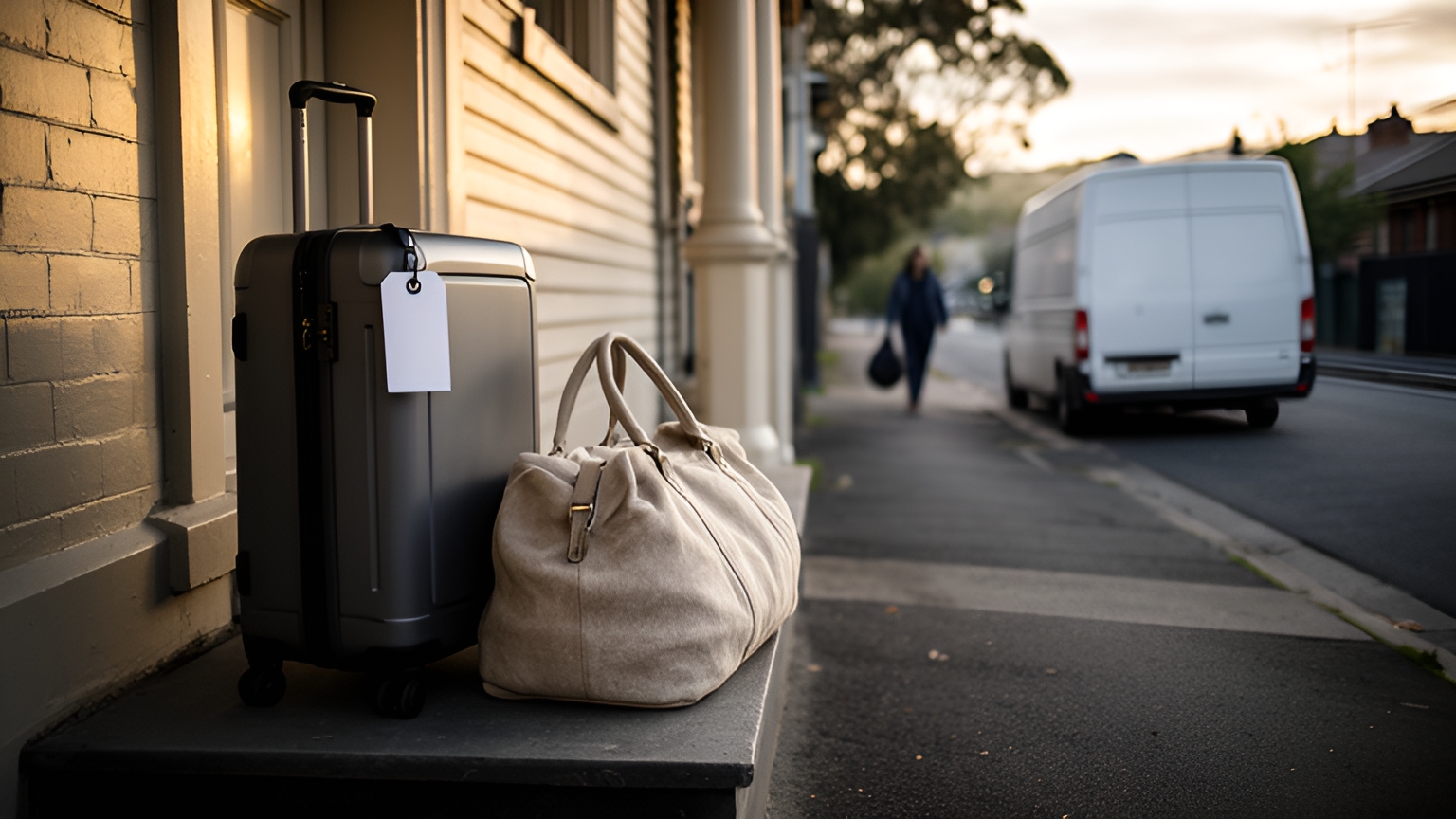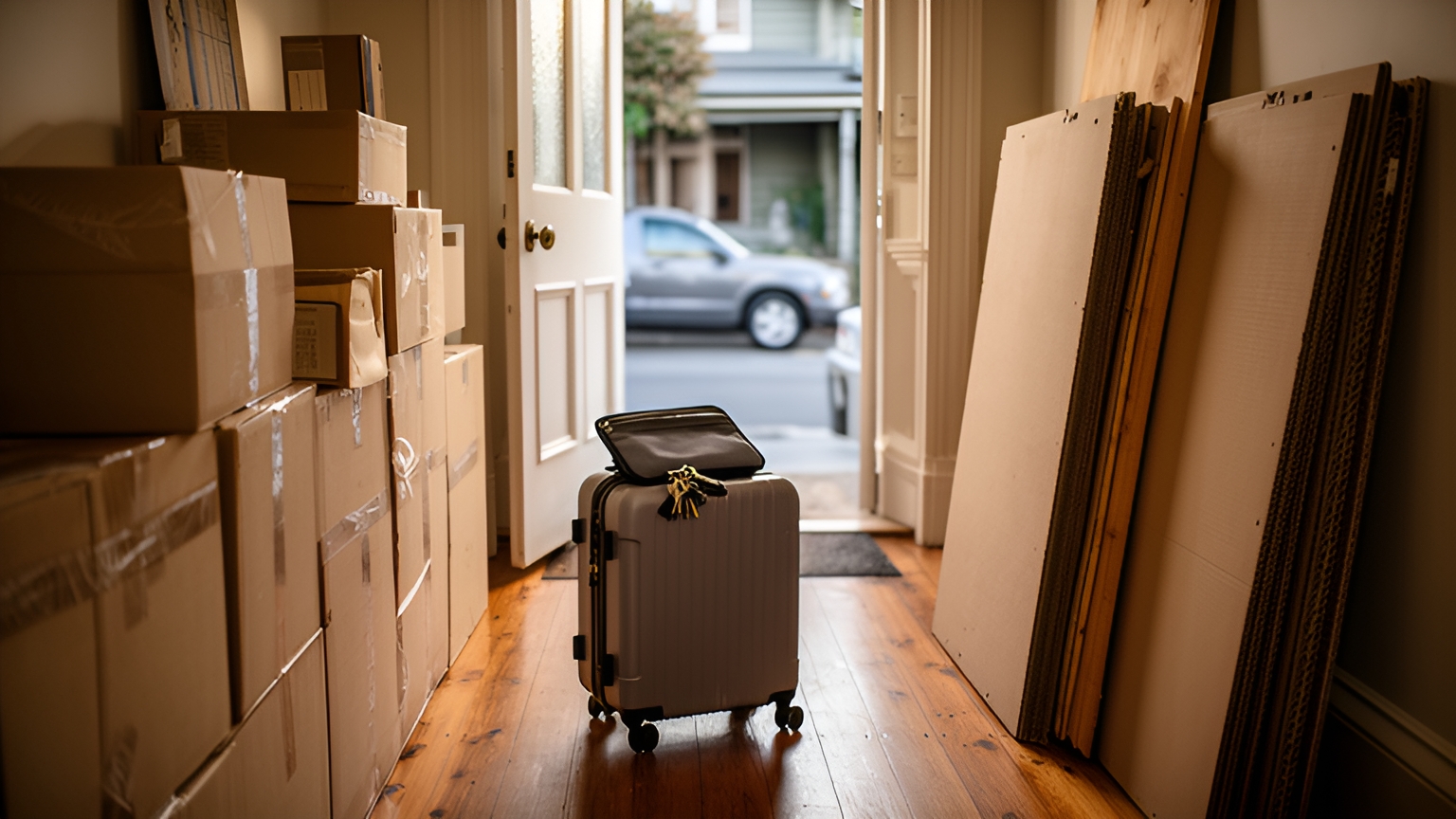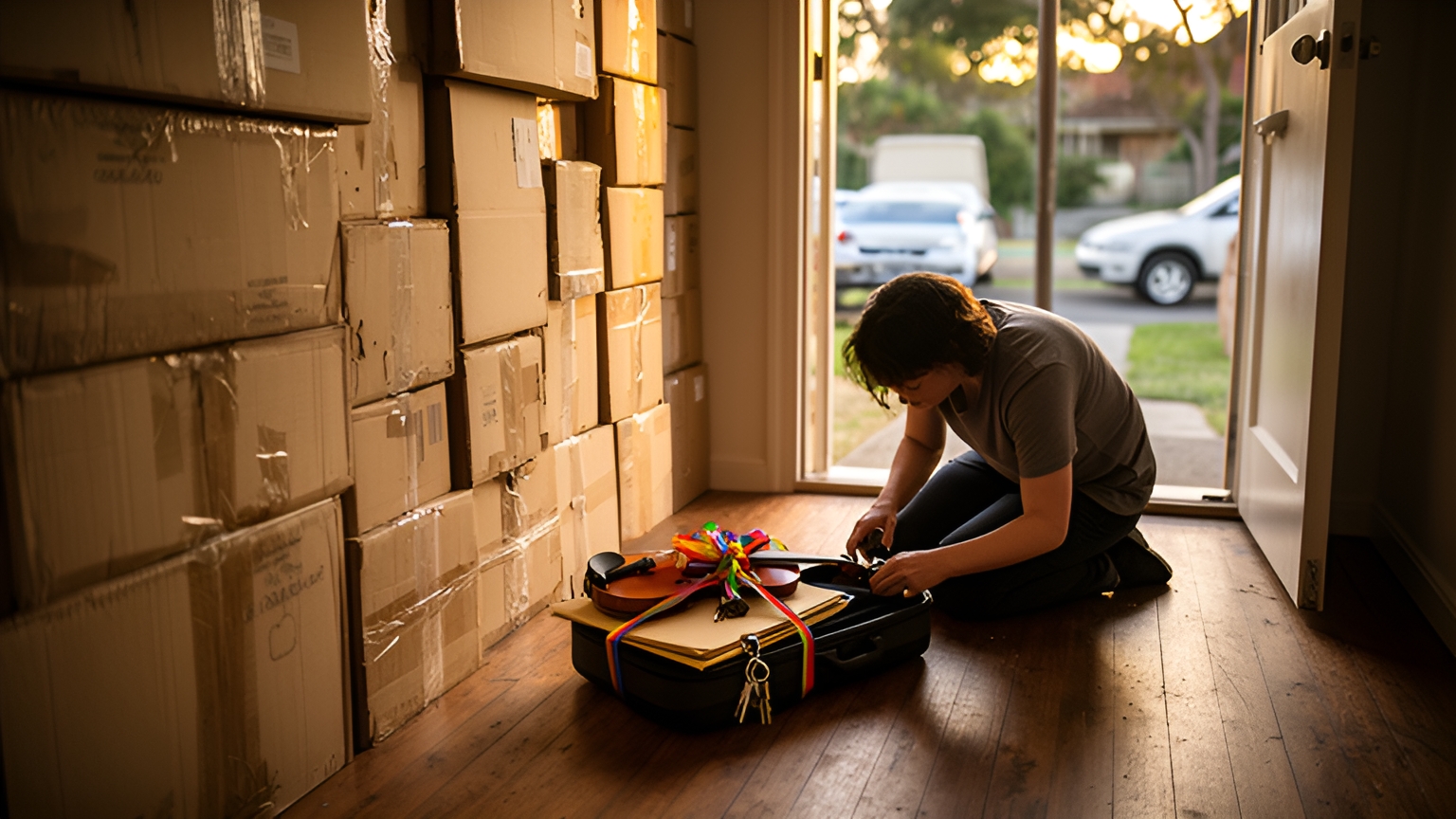
A moving interstate checklist works best when you sort every item by how it travels: on the removal truck, with you in the car or on the plane, or sent separately. Start as soon as your date is set, build buffer days around storm season and the northern wet season, and keep documents, keys and medicines with you.
How to time an interstate move around storm season and the northern wet
On an interstate move, your belongings spend longer on the road than on a local move, often crossing more than one state. A storm or a closed road anywhere along the way can push back the day the truck reaches your door. Set your date first, then add buffer days around it.
Anyone moving in late spring has storms to plan around. The Bureau of Meteorology says thunderstorms "are more common from October to December, bringing the risk of heavy rainfall, damaging winds, large hail and the risk of flooding anywhere in Australia."
If your move falls in that window:
- Avoid booking the truck's delivery for the day before something you cannot move, such as starting a new job or a child's first day at a new school. Leave a spare day in between.
- Wrap mattresses, sofas and soft furnishings in plastic covers so a wet loading or unloading does no harm.
- Check the forecast for both cities in the days before loading and before delivery, and talk to your removalist early if severe weather is forecast.
- Keep a tarp and old towels in the car for unloading in the rain.
Moves to or through the north need a longer buffer. The Bureau of Meteorology explains that the monsoon is "part of northern Australia's wet season from November to April".
As one example, ABC News reported in February 2026 that "Several major roads have been closed, including part of the Great Northern Highway connecting Fitzroy Crossing to Kununurra." A single event is not a pattern, but it shows why a delivery date in the Kimberley, the Pilbara or the Top End is best treated as a target during the wet, not a promise.
This applies to plenty of households, because the two states with the largest net gains from interstate moves both reach into the tropics. Australian Bureau of Statistics figures in the latest release show net interstate migration of 14,718 for Queensland and 10,314 for Western Australia, while New South Wales recorded -20,818.
If your new home is in north Queensland, northern WA or the Northern Territory, put the wet-season dates into your plan from the start. Ask your removalist how they handle a road closure, book flights and accommodation you can change where possible, and pack essentials for a few extra nights.
On southern routes, such as moving from Melbourne to Sydney, the northern wet is not part of the trip, so plan around spring storms and summer heat instead.
Deciding what goes on the removal truck, in your car or sent separately
Interstate moves are less common than local ones. As long-standing background from the 2021 Census, the Australian Bureau of Statistics found that among people who had changed address in the previous five years, "Only one in ten (10.9%) moved to a different state."
So even if you have moved house before, this kind of move may be new. The biggest difference is that you and your belongings travel separately, sometimes days apart, which means every item needs a decision.
Three simple rules make the decision quick:
- On the truck: anything bulky, heavy or replaceable that you can live without until the truck arrives.
- With you: anything you cannot replace, need every day, or need to prove who you are or get into your home.
- Sent separately: things too precious for a truck full of heavy furniture but awkward to carry yourself, things needed by a particular day, and anything left behind.
| Item | How it usually travels | Why |
|---|---|---|
| Beds, sofas, tables, fridge, washing machine | Removal truck | Bulky, and you can manage with an air mattress for a few nights |
| Boxed kitchenware, books, decor, spare linen | Removal truck | Replaceable and easy to stack |
| Passports, birth certificates, lease or settlement papers, licence and registration papers | With you | Hard to replace and needed soon after you arrive |
| Keys, medicines, phone, laptop, chargers | With you | Needed every day |
| Heirloom instrument, original artwork, a box of family photos | With you, or sent separately | Precious and best kept away from heavy furniture |
| A suitcase and a few boxes for a student or a furnished rental | Sent separately | A full truck may be far more than you need |
| Anything found after the truck has gone | Sent separately | A friend can pack it and send it on |
For boxes going on their own, follow a guide to packing boxes for interstate sending so each one is padded, sealed and labelled for a long trip. If it is mostly clothes, the steps for sending suitcases interstate will help you prepare them.
Ask your removalist early for the list of items they do not carry, and set those aside to plan separately. For whitegoods such as a washing machine or fridge, check the manual for how to prepare it for transport and allow time for that before loading day.
A move is also a good moment to clear out paperwork. Once you have checked which records you still need to keep, Shred2u offers on-demand and scheduled secure document shredding, so old statements and bills do not take up space in your boxes.
What to keep with you for the nights before the truck arrives
On a long route, the removal truck can reach your new home after you do, sometimes by several days. Ask your removalist for the delivery window, which is the range of dates the truck is expected to arrive, and pack for every night of it plus one.
Think of this as camping in your new home. A good bag or two covers:
- Documents and keys: ID and passports, lease or settlement papers, licence and car registration papers, school and medical records, keys to the new place and any keys you still need to hand back.
- Health: medicines and scripts, glasses or contact lenses, a small first aid kit.
- Sleep and wash: bedding or an air mattress and pump, pillows, towels, toiletries, toilet paper.
- Kitchen basics: kettle, mugs, a few plates and cutlery, tea, coffee and snacks.
- Tech: phone, laptop, chargers and a power board.
- Kids and pets: a favourite toy or book, pet food and bowls, a lead and bedding.
- Moving-day kit: box cutter, tape, a basic tool kit, cleaning supplies, bin bags and a torch.
If you are flying, rules may apply to some of these items, such as batteries, power banks, aerosols and medicines. Check the current requirements with the Civil Aviation Safety Authority and your airline before you pack.
If a pet is moving with you, rules may apply when crossing some state borders, so check with the biosecurity agency in the state or territory you are moving to.
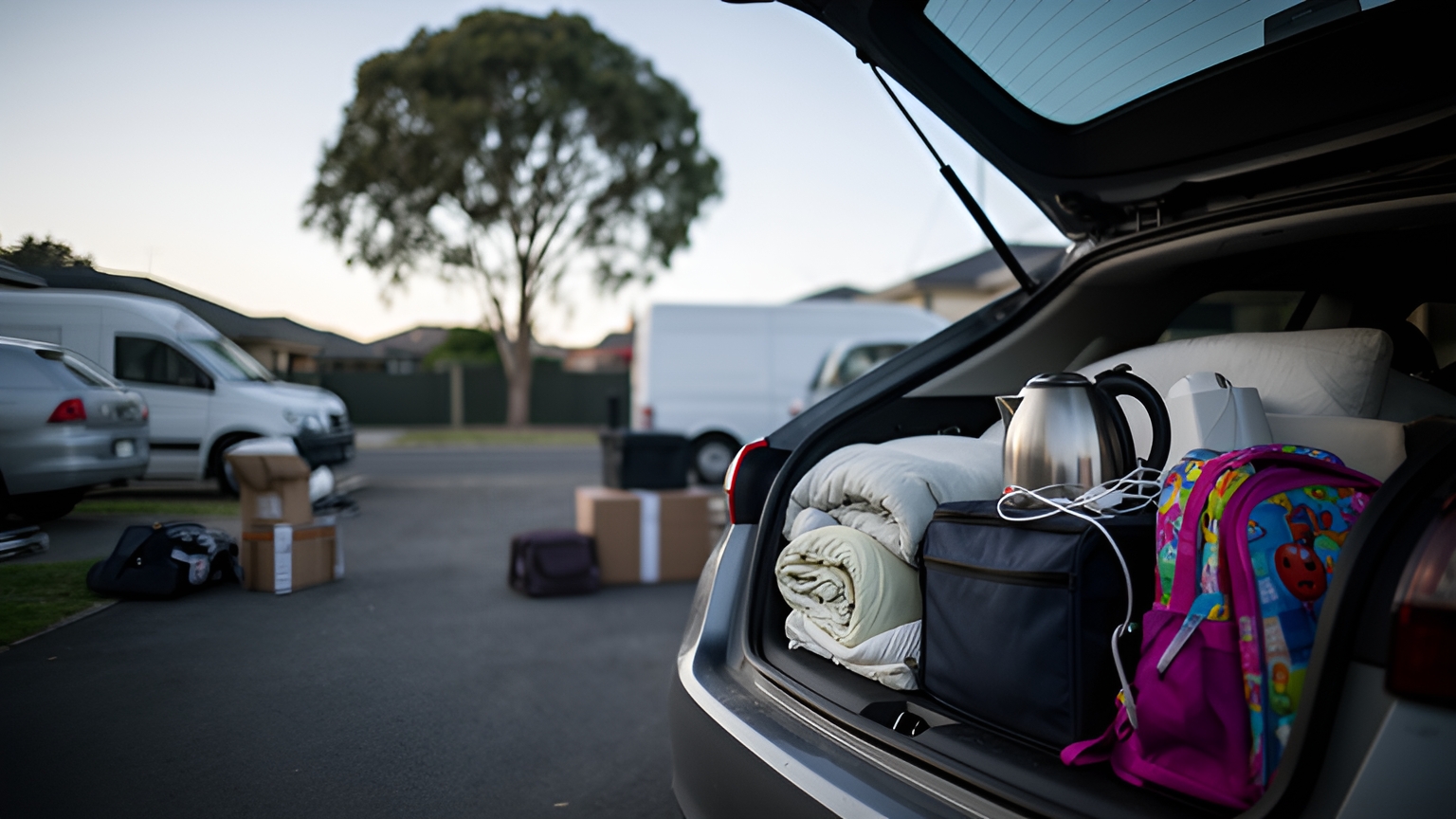
How to protect heat-sensitive items on a summer move
The Bureau of Meteorology notes that "Heatwaves can also affect the transport, agriculture and energy sectors and associated infrastructure." On a summer move, plan for a trip that may run slower than expected and keep anything that dislikes heat with people, not in a hot space.
Items to keep out of a hot car boot include:
- Medicines (check the label or ask your pharmacist how each one should be stored)
- Candles, chocolate and pantry items that can melt
- Vinyl records, printed photos and old film
- Cosmetics and sunscreen
- Laptops, cameras and other electronics
- Wooden instruments such as a guitar or violin
If you are driving, carry these in the air-conditioned cabin and take them inside at every overnight stop. Avoid leaving them in the parked car, even for a quick meal or a fuel stop.
Load heat-sensitive things last and unload them first, so they spend the least time in a hot driveway. Keep instruments in a hard case and away from sunny windows.
For anything going ahead separately, choose a delivery time when someone is home to bring it straight inside, and send it early in the week so it is less likely to wait somewhere over a weekend.
And start eating down the freezer and pantry in the weeks before you go. Food you do not have to move is food you do not have to keep cool.
Arranging someone to receive deliveries and tidying up after you arrive
If anything arrives before you do, someone needs to be there. Ask a friend, a relative or your building manager, and give them:
- The full address, including unit number and building name
- Parking, loading and lift details, plus any gate or intercom codes
- A list of what to expect, with a photo of each item
- Your phone number, and the driver's details once a job is booked
Time zones catch people out on long moves. The Australian Bureau of Statistics reports that "Brisbane and Perth were the only capitals to have net internal migration gains." Both sit in states without daylight saving, so if you are moving there from the south, the time gap to the people helping you back home changes across the year.
Agree every pick-up and delivery time in the receiver's local time. Queensland, Western Australia and the Northern Territory do not use daylight saving, while New South Wales, Victoria, South Australia, Tasmania and the ACT do.
Once you have arrived, work through the loose ends:
- Keys for the old home: if a friend is holding them for the property manager, a same-city delivery can get them across town while you settle in.
- Anything left behind: ask whoever has it to pack it well and label the new address inside and out.
- Your address: update it with your bank, the tax office, your health insurer, your employer, schools, electoral enrolment and any subscriptions, and set up mail redirection before you leave.
- Licence and registration: check the requirements with the transport department in your new state or territory soon after you arrive.
- Boxes and packing material: flatten and keep a few for anything still to come.
Your printable interstate moving checklist: truck, car and sent separately
Print or screenshot this list and tick items off as you sort.
On the removal truck
- Beds and mattresses, wrapped in plastic covers
- Sofas, tables, chairs and shelving
- Fridge, washing machine and dryer, prepared according to each manual
- Boxed kitchenware, books, decor and spare linen
- Bikes and outdoor furniture, cleaned
- Every box labelled with its room and the new address
With you in the car or on the plane
- ID, passports and a folder of important documents
- Keys to the new home and any keys still to hand back
- Medicines, scripts and glasses
- Phone, laptop and chargers
- Jewellery and small valuables
- Bedding, towels and toiletries for every night of the delivery window
- Kettle, mugs, snacks and kids' and pet essentials
- Heat-sensitive items in the cabin, if driving
- Moving-day kit: tape, box cutter, tools, cleaning supplies, torch
If you are flying, check the current rules for batteries, aerosols and medicines with the Civil Aviation Safety Authority and your airline.
Sent separately
- An heirloom instrument or artwork too precious for a shared truck
- A suitcase or boxes you need before the truck arrives
- Documents someone else is holding or signing for you
- Keys and items left behind after the truck has gone
- Heat-sensitive items, timed for when someone is home
- A named receiver with phone and access details, and times agreed in their local time
Set plants, soil and garden gear aside until you have checked with the biosecurity agency in your new state or territory.
Sending the items that skip the removal truck through Zoom2u
Most of a household belongs on the removal truck. The third list is different: those items are small, they matter, and some have a deadline, such as an heirloom instrument, a folder of documents or keys left behind.
For those jobs, Zoom2u connects you with independent drivers and carriers through the platform. Next Flight Courier sends your parcel on a commercial flight, with timing depending on cut-off times and flight availability.
For something precious, On-Board Courier means an independent courier who accepts the job flies with your item as cabin baggage, the bag a passenger keeps with them on board, and hand-delivers it to the person waiting at your new address.
Prepare the item the same way as anything else on your checklist:
- Pack it with padding on every side and label the new address inside and out.
- Confirm who will receive it, with their phone number and access details.
- Agree pick-up and delivery times in each person's local time.
Rules may apply to what can travel on a flight, so check the current requirements with CASA before you book.
Frequently asked questions
What should you do if you leave something behind after moving interstate?
Ask a friend, neighbour or your old property manager to hold it, then have it packed and sent to your new address. Agree pick-up and delivery times in the receiver's local time: Queensland, Western Australia and the Northern Territory do not use daylight saving, so the time gap to them changes across the year.
Can you send a few boxes interstate instead of booking a removalist?
For a small move, such as a student heading to a new city or someone moving into a furnished place, sending a handful of well-packed boxes and a suitcase can suit better than a full truck. Pack each box so it can be lifted by one person and label the destination address inside and out.
Do you need to change your driver licence and car registration when you move interstate?
The requirements and timeframes vary between states and territories. Check the current rules with the transport department in the state or territory you are moving to soon after you arrive, and keep your current licence and registration papers with you rather than on the truck.
Can you take plants, food or garden gear when moving to another state?
Rules may apply to plants, soil, fruit, vegetables and garden equipment crossing state borders. Check with the biosecurity agency in the state or territory you are moving to before you pack these items, and set them aside so they are not loaded by mistake.
This article was drafted with AI assistance and checked by automated editorial, fact and legal review before publishing. Photographs are AI-generated.