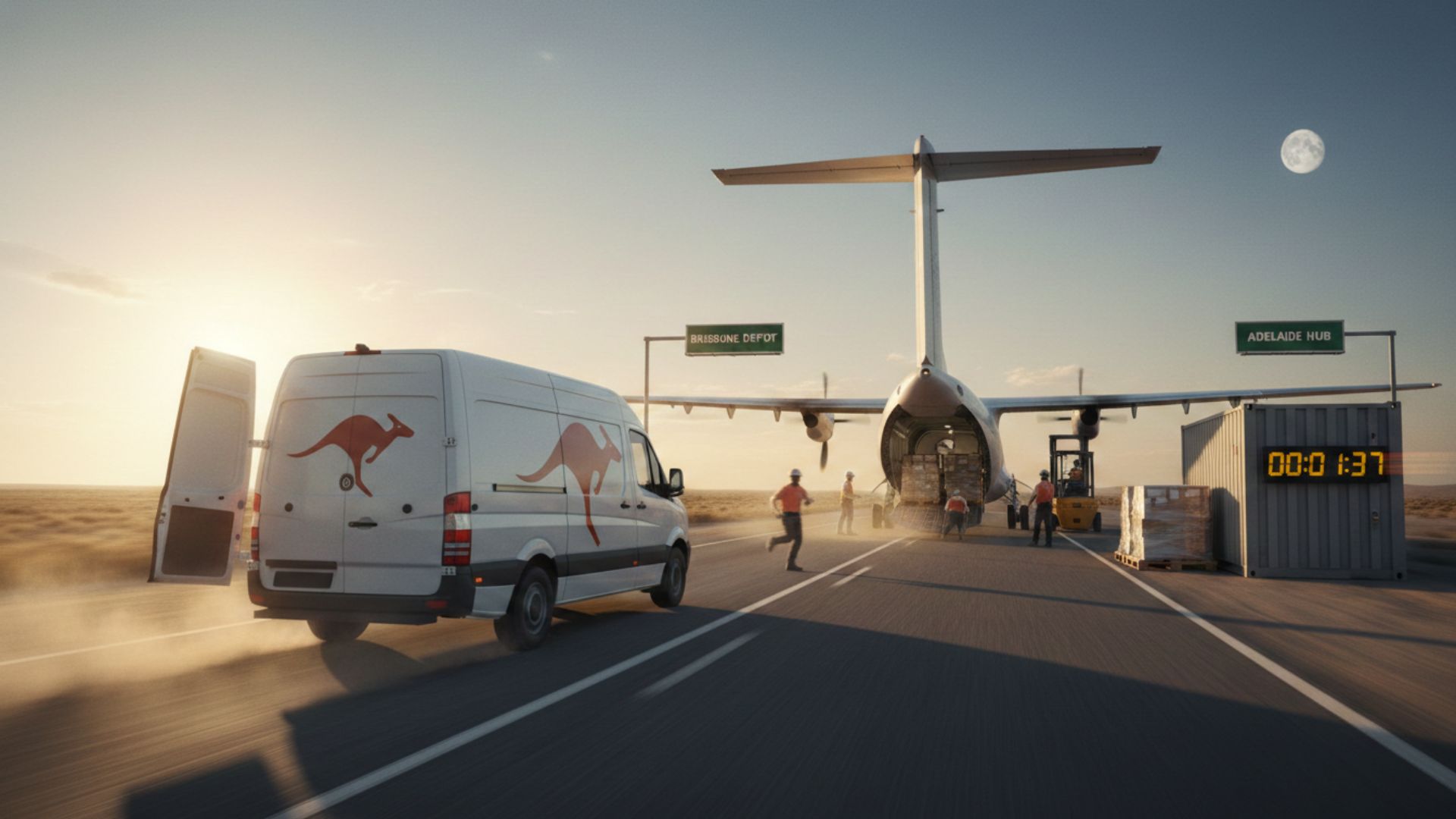

Among the major changes in the Australian courier services market is the emergence of demand for greater speeds of delivery. Since people are ordering and expecting goods to arrive but not waiting for too long, the majority of businesses are now focusing on offering same-day and next-day deliveries.
This demand for quicker deliveries is usually high relative to others in the cities like Sydney, Melbourne, and Brisbane, where e-commerce is known to find more receptivity than available supply. In response to this, courier businesses are looking for ways to make their processes more efficient.
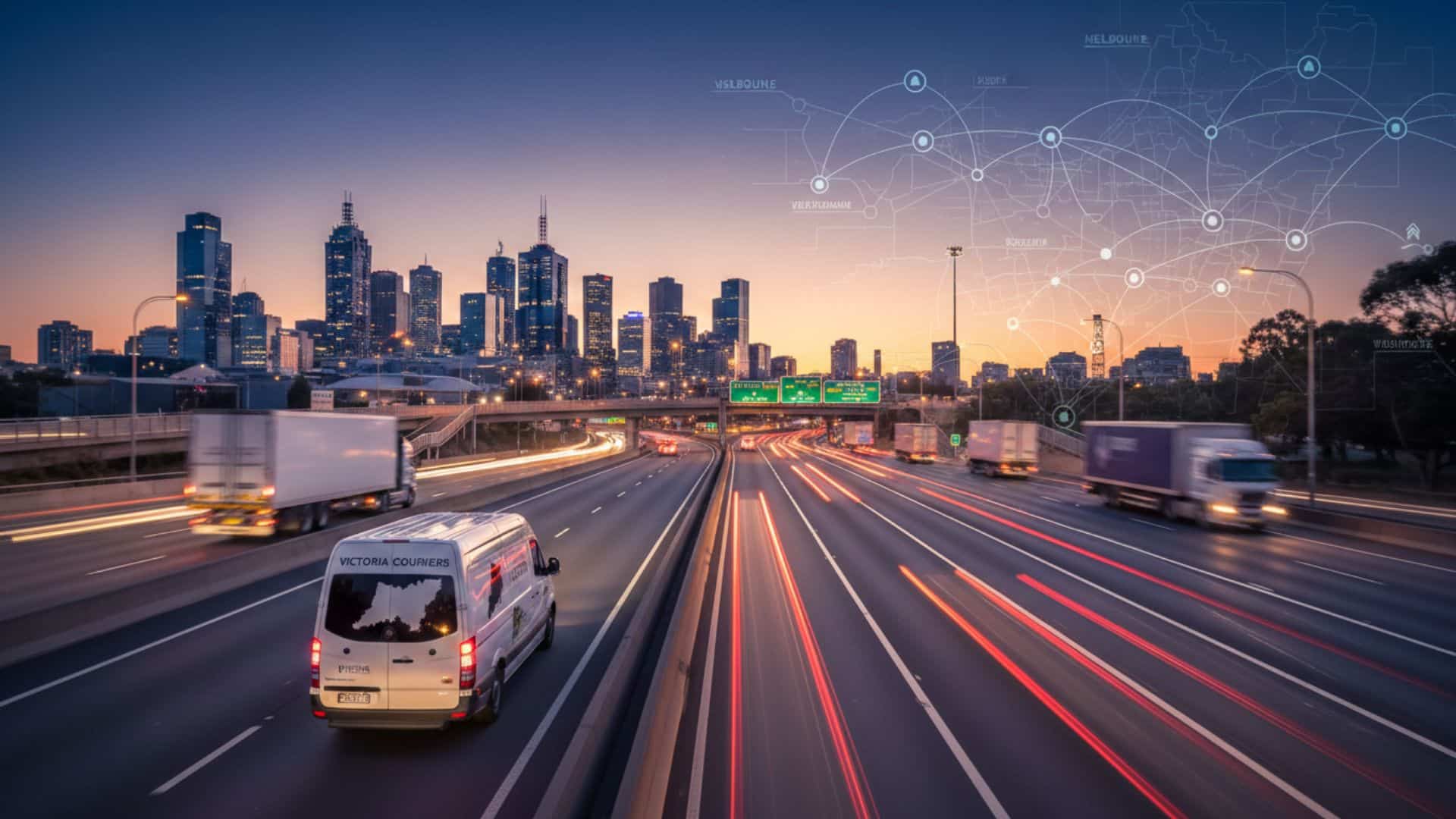
Advancements in technology like more sophisticated algorithms for routing and real-time package tracking, are enabling companies to deliver goods more quickly and efficiently. Moreover, many couriers are now using micro-warehouses in addition to establishing partnerships with local businesses to shorten delivery distances to their clients.
The Impact of Drones on Last-Mile Delivery
Drone technology has the possibility to significantly transform the last mile delivery system in Australia. Although these are still undergoing initial explorations, some courier service providers have started utilising them to send small packages to different regions.
For instance, the likes of Australia Post have been piloting drone deliveries for regional, remote, and even some suburban areas, and it seems the initial perks of this innovation are being realised. Drones have multiple advantages like lessening traffic and delivering goods faster, while shrinking the carbon footprint associated with such activities, highlighting their potential as effective delivery alternatives.
Autonomous Vehicles: The Next Frontier of Courier Delivery
In addition to drones, Australia is looking towards self-driving cars (AVs) as another innovation that can change the landscape of the courier industry. These vehicles can take goods from distribution centres straight to customers, minimising the number of drivers needed and cutting down the time spent delivering.
Major logistics companies are already beginning to invest in delivery drones with hopes of cutting costs and improving business efficiency. In towns, those drones may be capable of shuttling items from depots to local warehouses where high-performance delivery drones could handle the end stage delivery. In rural, regional, and less populated areas, self-driving trucks would be especially valuable for carrying out efficient long-distance deliveries.
Being able to move freely without taking practical breaks makes self-driving cars especially useful for meeting increased demand. Given that the vehicles would also limit human involvement, the chances of mistakes and road mishaps would decrease significantly.
AI and Route Optimization
AI is evolving at a fast pace, and recently its role is particularly important in the optimisation of AI utilised in courier services. With the latest tools in AI, the optimisation of tools and systems allows for constant improvements. One of the most recognised uses of AI in delivery logistics is using Machine Learning for route optimisation. AI Systems and algorithms determine the best routes for couriers to obtain by providing timely traffic, weather, road blockage, and even customer specific data.
With Artificial Intelligence technology, delivery times can be shortened, fuel costs minimised, and operational expenses reduced. For instance, AI-controlled systems can modify the delivery routes while on the ground which lets drivers evade holdups due to traffic congestion or obstructions on the roads. AI is also capable of analysing past traffic data and calculating the most optimal routes for every driver to make sure that the packages are delivered as soon as possible.
In addition to route optimization, AI can be used to improve inventory management, predict demand, and even automate customer service tasks, such as handling delivery inquiries and complaints. As AI continues to evolve, it will play an increasingly central role in the Australian courier industry, helping businesses stay competitive and meet the growing expectations of consumers.
Sustainable Alternatives for Delivery Services
There is a discussion on whether there are alternative solutions to the traditional delivery systems and types of services couriers provide in Australia. Lack of concern in the world and Australia focused on the effect of courier services on the environment is changing, especially after the increase in the use of e-commerce and the number of deliveries.
Many courier services have been seeking ways to improve sustainable means of operations to decrease their carbon footprints and electric vehicles have been one of the most adopted solutions.
Costs of fuel and maintenance may be lower in comparison to traditional delivery vans which mean electric delivery vans and trucks may be more cost-effective in the long run while also being environmentally friendly. This further aids businesses to meet strict government policies such as the carbon emission caps placed by the Australian government.
Besides EVs, the adoption of electric bikes and cargo trucks in urban locations is also being examined as an alternative for sustainable delivery methods. These more compact vehicles help cut down traffic in cities and provide a greener solution to outdated delivery vans while also being more adjustable for busy city streets.
Innovations in Packaging
Sustainable packaging is yet another area that is getting attention from the courier section of the industry. As consumers’ lifestyles change to become more green, there is increasing demand for recyclable, biodegradable or recycled packaging materials.
This demand is being catered to by courier companies through the use of eco-friendly packaging materials and less reliance on single-use plastics. Many companies also encourage clients to reuse packaging materials and offer incentives for using these options. For example, some couriers have developed schemes where clients return packaging materials after use so that they can be recycled or converted into other packaging for future deliveries.
In addition, some new age courier companies are adopting the approach of using minimalistic styles of packing, which entails using the least amount of material that is safe for the items being delivered. This trend is not only helpful to the environment, but it also helps businesses decrease their overall packaging costs.
Customer Experience and Customisation
In the courier service industry, any competition necessitates the focus on even more personalised interactions and services to clients. Consumer behaviour now dictates the need for more openness, accessibility and even more options when it comes to deliveries, such as tracking real-time movements of the parcels, delayed deliveries, or adding instructions such as “leave the package at the front door” or put it “in a safe place.”
Through AI and big data, consumer trends are analysed and delivery systems customised accordingly. Couriers, through the preferences of their clientele’s customers, are able to anticipate the most suitable options for particular customers, such as evening sessions versus daytime or narrowed scope versus wide ranges.
Other companies are integrating the use of smart lockers and pick-up points where customers can self-select the most convenient locations and hours to collect their packages, forwarding the packages to these locations. This ensures that the deliveries are made to consumers as per their expectations and boosts the overall experience of the customer.
Conclusion
In Australia, the delivery industry is about to undergo thrilling innovations that will change the courier business by improving productivity, eco-friendliness, and customer experience. This changing landscape will have an everlasting impact on the goods delivery systems across Australia regarding AI-based route planning, new delivery methods, drones and self-driving cars.
With an increasing standard of living, couriers have to incorporate new technologies to stay in business and fulfil the needs of the fast-paced world. Keeping the environmental implications in mind, Australian courier companies will be able to achieve their goal of becoming more effective and offering these new, personalised, and rapid services.
The future of delivery is bright, and the innovations on the horizon are sure to make life easier for both businesses and consumers. As we move toward a more connected, fast-paced, and sustainable world, the Australian courier industry is ready to rise to the challenge.