Over the past decade, the logistics industry has undergone a significant transformation, largely due to advancements in technology, internet connectivity and the rapid rise of e-commerce. These changes have had a massive impact on the way the industry operates today, with evidence showing that technology plays a crucial role in improving the customer experience, particularly during the last mile of delivery. As a result, many companies are adopting technological developments to meet the evolving demands of customers and to stay ahead of the competition.
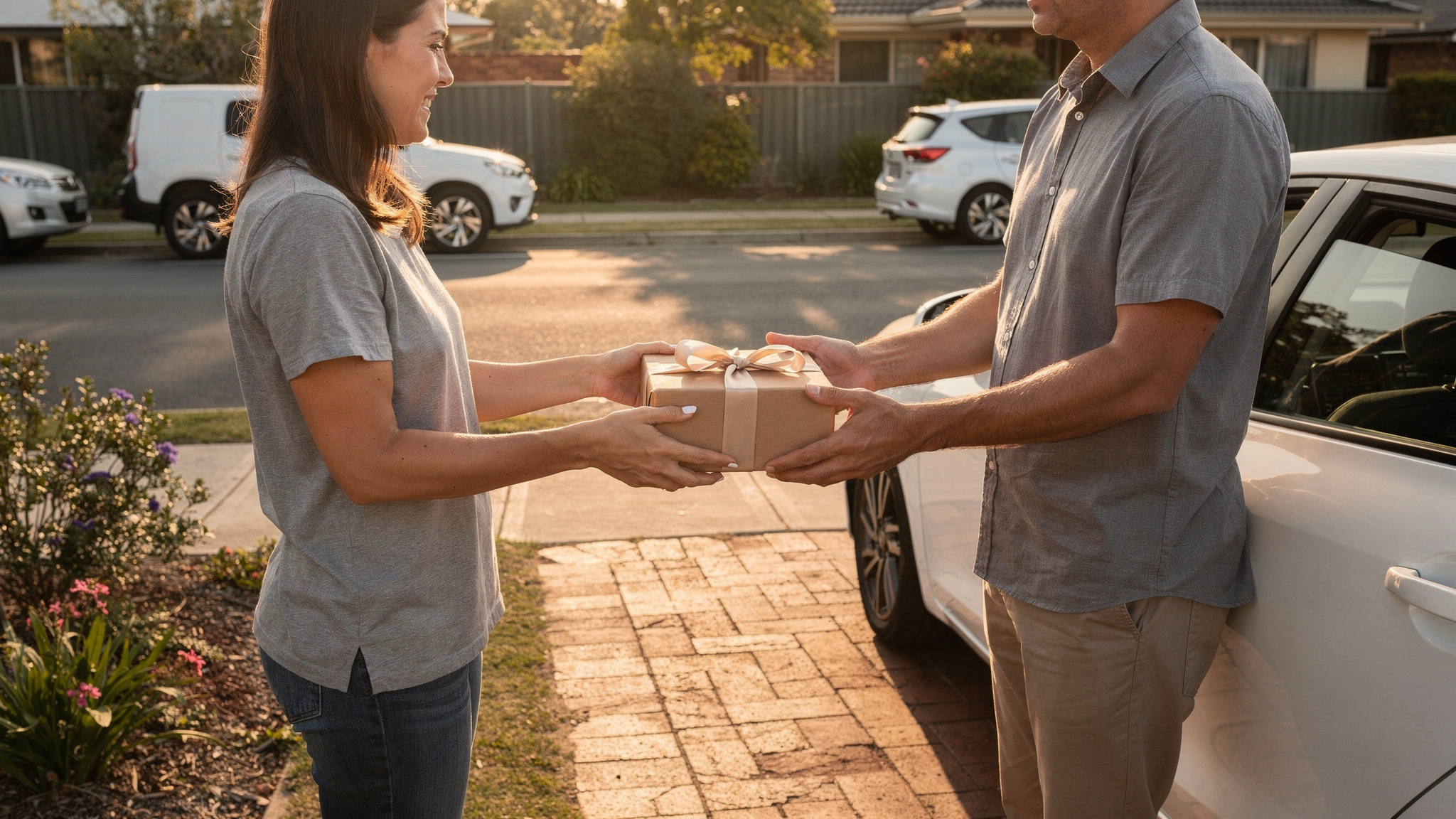
Regardless of what type of product or service a company provides, whether it’s delivering flowers, money, food, medical supplies, parcels or anything else, the ultimate goal of the delivery and courier industry is to ensure that each item is delivered to the end-user without any complications. Achieving this goal is not an impossible task, especially with the help of the latest technology.
Real-time tracking is a critical tool in ensuring a smooth delivery service. By providing customers with the ability to track their deliveries in real-time, companies can have the edge and respond quickly to any unexpected issues, ensuring that deliveries are made on time. Additionally, this technology also enables businesses to optimise route planning and scheduling, leading to greater efficiency and cost savings.
Current Changes In Delivery and Courier Industry
Starting in 2020, delivery and courier companies scrambled to meet skyrocketing demands. As closures around the world paused the quality of human life and delivery and courier services became extremely important to society. In a survey published by Technomic, 32% of people want to avoid leaving their homes. the study shows that 13% of these same consumers buy restaurant food through delivery.
Delivery sales for restaurants grew by 8.7% in February 2021. According to a study by Gordon Haskett, up to 30% of consumers used online grocery pickup or delivery to get their everyday supplies. As a result, huge growth in the delivery and courier industry is expected. This only reinforces the importance of delivery and courier services.
The increasing demand for delivery services has opened up a significant opportunity for businesses operating in this industry. To remain competitive and meet customer expectations, companies must focus on critical areas and embrace developments in technology in the customer service, logistics and delivery indsutries. By prioritizing these aspects, businesses can ensure that their customers receive their orders on time, enhancing their overall satisfaction and loyalty.
Businesses must ensure customer service is top-notch. This means delivering the order on time, having good customer support, and offering incentives for loyal customers. Technology can be a great asset when it comes to delivery services. Companies should consider using automated systems and technologies that are easy to use and that integrate with their existing infrastructure.
Understanding the Challenges of Last-mile Delivery For Customer Experience
The complete product journey starting from warehouse shelves to the customer’s doorstep is known as the ‘Last Mile.’ The easiest way to understand this is to think of the Last Mile as a final step in the delivery system. As a result, the last mile is a must-have for the entire supply chain market, from e-commerce to warehouse operators to delivery and courier services.
The last-mile delivery is widely regarded as the most critical yet least efficient part of the supply chain. Even the most prominent players in the industry encounter difficulties due to the complex nature of last-mile delivery. According to a research report published by McKinsey, last-mile delivery presents several challenges, including its high cost, which can account for up to 28% of the total delivery cost. As the final stage of the customer journey, last-mile delivery is particularly challenging, and the following are some of the obstacles companies may face:
- Poor infrastructure – delivery and courier companies find it challenging to complete their services in metropolitan areas that have poorly designed roads, and extensive traffic. In addition, for remote areas, long journeys and time are common challenges.
- Fuel price increases – Fuel cost combined with poor infrastructure will increase delivery costs.
- Driver management technology – Delivery and courier industries find it expensive to allocate drivers to bookings dynamically.
- Type of goods – Delivery types can create issues. For example, when delivering perishables, flammable or toxic substances this adds to the complexity of deliveries.
- Customer variables – Customer variables can significantly impact last-mile delivery efficiency. For instance, delivering a single package per delivery can result in increased fuel costs. Additionally, incorrect addresses, changes of mind, returns, lack of parking, and other factors can all impact the delivery process. Such variables can lead to delays, which can negatively impact customer satisfaction and increase costs for the company.
To understand the courier industry, read our Courier Services: A Complete Guide for 2023 blog post.
Three Ways Technology Can Help
To improve last-mile delivery and give your company the edge, it is essential to leverage the right technology. There are various technological solutions available that can be easily integrated into delivery operations. For instance, using rugged devices can help monitor goods and enhance driver management. Automated dispatch software can assist in quickly assigning drivers to bookings and managing deliveries efficiently. GPS tracking systems can provide real-time updates on driver locations, leading to better customer service. Additionally, apps like Delivery Tracker can enable customers to track their orders in real-time and receive accurate estimated time of arrivals. By embracing cutting edge technology, companies can streamline their last-mile delivery processes, reduce costs, and enhance customer satisfaction.
Improve Route Planning
In the delivery and courier industry, time is of the essence. Therefore, it is crucial to plan routes efficiently to save time. The introduction of effective route-planning can ensure packages are delivered to customers promptly. Luckily, there are several ways to achieve this, such as using advanced satellite navigation systems like GPS. By leveraging GPS technology, your team can proactively anticipate any potential issues, such as road closures and traffic congestion in real-time. This technology can also help drivers to avoid delays, resulting in a more reliable system overall
Improve How You Track Goods
Providing customers with transparency and real-time updates on the location of their orders is a crucial part of improving their overall experience. By utilising technology, businesses can accurately track and display the estimated delivery time of each package. This not only gives customers peace of mind but also provides valuable insights into driver performance and overall efficiency of the delivery process.
Improve Delivery Flexibility
Technology can be extremely helpful in delivery flexibility. For instance, when customers are not home to receive the delivery, an alternate time or address can be given in time before route planning. Alternatively, packages can be stored in separate areas that are nearer to the address to free up space.
Current Technology Available for Delivery and Courier Industry
You can find a range of technology that can be developed to support the delivery and courier industry. These include:
Rugged Devices
Rugged devices are highly recommended in the delivery and courier industry as they serve as a multi-tool that can support barcode systems, software, applications, and communications in one device. These devices are designed to withstand tough environments and can provide reliable performance even in extreme conditions. In a previous blog, we discussed extensively how barcode technology can improve warehouse operations, but it can also be used in the delivery and courier industry to streamline operations and improve efficiency’s
Mobile Apps and Software
Mobile apps and software are also a popular tool in these industries. They allow real-time data entry, reporting, tracking at a glance, and more. With these tools, customers have instant access to the status of their deliveries at all times. Additionally, mobile technology gives courier companies the advantage of knowing when their deliveries have been made, giving them the ability to provide better customer service. Furthermore, mobile apps enable customers to track their packages on a real-time basis, allowing for improved communication and streamlined operations.
Barcode Scanners
Barcode scanners improve business operations by recording information efficiently. Correctly recorded packages allow the entire supply chain to easily track each item. With these tools, businesses can ensure that their customers receive the right items in a timeous manner. They also help improve customer satisfaction by reducing errors during delivery.
Barcode scanners play a vital role in enhancing accuracy and security in warehouse operations. They enable businesses to have visibility into the journey of each package by scanning barcodes with precision, which ensures that packages are not misplaced or lost.
Warehouse Management Software and Applications
Software and apps help to organize everything in a supply chain. From the storage, recovery and processing of packages, to producing important reports and analysis. By utilising barcode scanners and warehouse management software, businesses can identify areas for improvement in their operations and increase efficiency. This technology also allows for real-time changes to inventory, improving accuracy and reducing operating costs.
By utilising the right technology within a supply chain, businesses can dramatically improve their operations and customer satisfaction.
Transportation Management Software and Applications
Transportation management software can be used to manage drivers and delivery personnel effectively. By using this software, you can plan routes, create efficient delivery schedules, track driver progress and get real-time updates on traffic conditions. This can help to save time and money, while also improving customer satisfaction.
Moreover, integrating your transportation management system with other third-party applications can further improve efficiency and reduce costs.
Radio Frequency Technology
RF (Radio Frequency) technology is used to transfer information between various handheld devices in the supply chain. It helps to improve the accuracy and speed of data transfer and reduces the likelihood of human errors, thus decreasing labour costs. This technology is commonly used to track the progress of vehicles, containers, and packages during delivery. Additionally, RF technology facilitates quick and precise data entry, making it easier to analyse data and identify issues promptly.
Automation
Automation helps streamline processes by eliminating manual operations and improving business efficiency. Automating tasks can save time as well as reduce costs associated with labour, overheads and operational errors.
Mobile Applications
Mobile applications can be used to manage workforce and deliveries efficiently. They provide users with real-time data on delivery locations, driver performance and traffic conditions. This helps businesses to plan their operations more accurately and deliver orders faster.
Technology in the Courier Service Industry
Over the past decade, technology has revolutionized the logistics sector. The development of e-commerce and increased connectivity has had a significant impact on how this industry has changed and it now operates on a whole other level. Regardless of what is being transported, the delivery and courier industry has one objective; to get each item to the end-user without issue, which is becoming increasingly easier as technology progresses. Here are some of the ways that technology is currently improving the courier industry:
GPS Software and Tracking
GPS driver-tracking has transformed the courier services industry. Through the use of GPS, courier companies are able to keep track of large fleets and provide more accurate tracking information on package locations for customers. In addition to this, courier companies are also able to efficiently plan routes as the GPS anticipates roadworks and congestion in real-time to help drivers avoid delays, making the courier service more consistent and reliable.
Shorter Delivery Times
Over the past several years, on-demand delivery services have exploded onto the courier service scene. One of the main reasons services like this have become popular is due to its convenience, ease of use and affordability. Instead of visiting a store, customers are able to place an order online and get delivery within hours, making it easier to get what they need without having to leave their homes.
Delivery Flexibility
Most people have commitments out of the house and increasingly expect to be able to arrange delivery to an alternate address if they aren’t able to accept delivery at home. With the introduction of lockers, customers are able to have their packages delivered to a safe, monitored space where their package is securely waiting for them.
Job Creation
While some companies are starting to automate their delivery systems, others are not. This indicates that there is a continuous need for courier services throughout the entire world, which generates new job opportunities. Prospective delivery drivers and employers are now able to join platforms where they can find one another and connect, creating employment and filling the gap in the industry. It’s important for companies to adapt to the changes brought on by technology and create new positions that use technology in addition to the ones that already exist if they want to remain competitive in the courier services industry.
Improved Customer Service
New technologies in the courier services industry are also improving customer service. These technological upgrades allow companies to provide a better experience for their customers as they order and receive items. Customers are now able to pay with the latest payment options such as ApplePay or Google Wallet, receive notifications when the courier driver is nearby, and much more, giving customers a better experience overall.
Changes in Demand
Modern communication tools such as video conferencing and email greatly reduced the number of communications that need to be sent via physical mail. Because of this, many courier services have moved into delivering larger parcels and with the consistent growth in online shopping, the parcel sector is still thriving. As more people choose to shop online rather than from a physical store, more businesses and entrepreneurs are choosing to use courier services to deliver online orders.
Web-Based Booking Systems
Thanks to technological advancements, it is now easier than ever to book courier delivery slots as more and more courier companies are enabling customers to book parcel deliveries and collections online. Web-based booking systems also simplify the process for customers looking to return packages. These types of systems also show accurate tracking information leading to fewer mistakes, higher productivity and enhanced customer retention rate.
The Future of the Courier Services Industry
As technology intertwines with people’s daily lives, its exciting developments are improving the range of services companies can offer and the methods of execution, resulting in a changing landscape and exponential growth for the courier industry. Once these innovations have become the norm in the industry, more innovations like these will appear and continue to evolve in the courier space making deliveries faster, easier, safer, and more reliable.