A medical courier carries personal medical items, such as forgotten medication, a CPAP machine, hearing aids or glasses, directly from one address to another on the same day. Specimens and clinical waste stay with your clinic or pathology collector. For cold medicines, check the label, pack them in an insulated cooler and make sure someone is ready to receive them.
What a medical courier can carry for you and your family, item by item
Most things a person uses to manage their own health can travel with a courier. Send the complete kit so the person receiving it can use it as soon as the parcel is opened.
- Forgotten medication. Keep it in the original box with the pharmacy label showing the person's name and dose. This lets ward staff or a carer identify it quickly. If it is kept in the fridge, follow the cold packing steps further down.
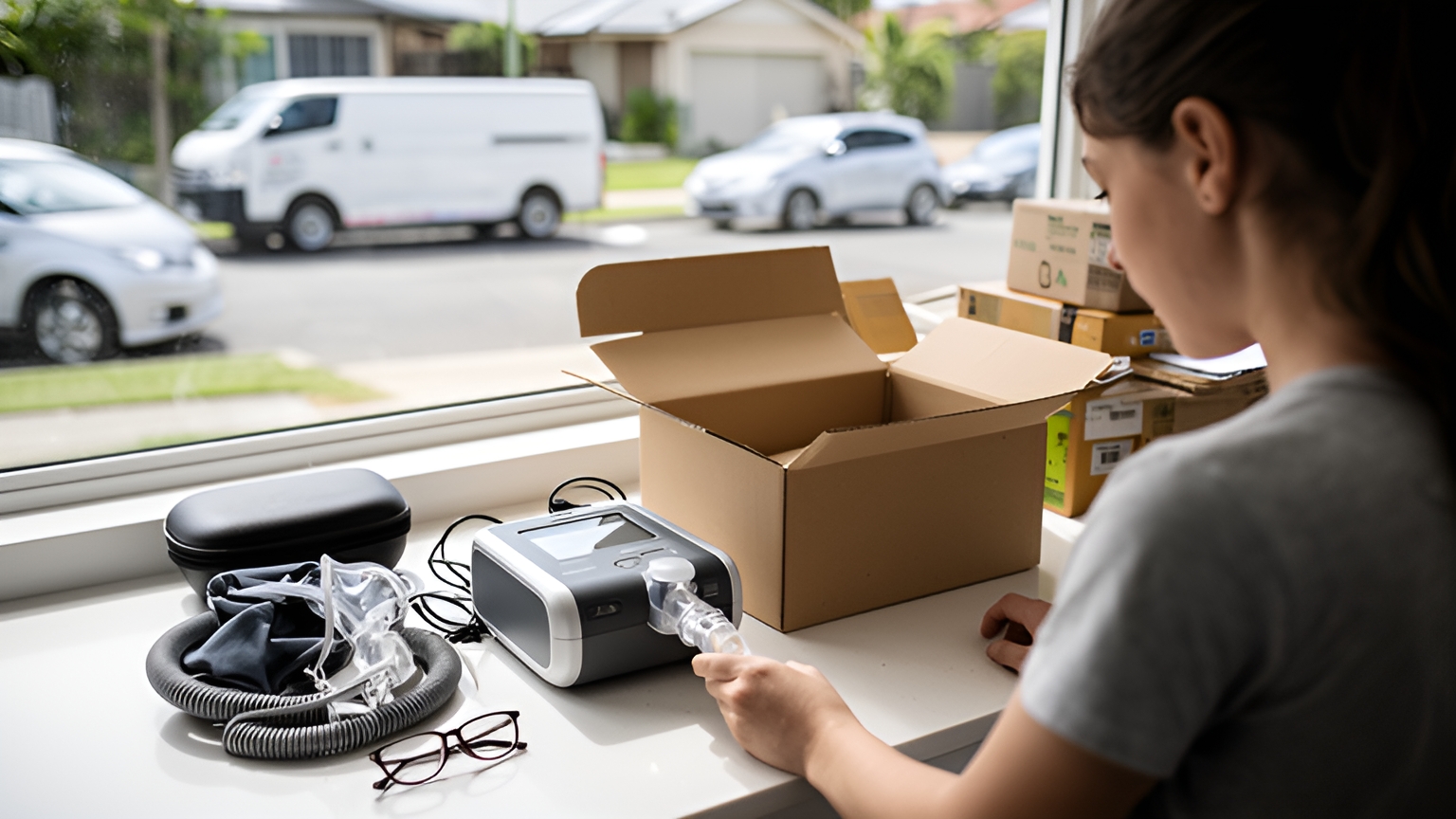
- A CPAP machine (the bedside breathing machine used for sleep apnoea). Pack the mask, hose and power cord with it, and empty and dry the water chamber first. Its own travel bag, padded with towels, works well.
- Hearing aids. Send them in their case with the charger and cable. Add a note if the left and right aids are hard to tell apart.
- Glasses. Put them in a hard case, then wrap the case in bubble wrap or a clean sock so it cannot rattle around inside the box.
- Mobility aids. Fold a walker, shower chair or wheelchair, and tape or bag and label any footplates and loose parts. For a full-size chair, see how a wheelchair courier delivery is handled so you know which size and access details to have ready.
- Medical paperwork. Referral letters, a printed medication list or copies of results travel well in a stiff envelope with a piece of card inside. Send copies where you can and keep the originals at home.
Before you seal anything, take a photo of the packed item and its label. You and the receiver then have a simple record of exactly what left the house, which makes checking it on arrival quick.
CPAP machines and rechargeable hearing aids often contain lithium batteries. If there is any chance the item will travel by air, rules may apply. The questions at the end of this guide point to where to check.
Which medical items stay with your clinic or pathology collector
Some medical items belong in the system your doctor or pathology service already runs, not in a parcel you book yourself. Leave these with the professionals:
- Pathology samples such as blood, urine or stool samples and swabs, including a sample kit you collected at home.
- Clinical waste. This means used needles, sharps containers, used dressings and anything else that has been in contact with body fluids.
- Any parcel a clinic or pharmacy has packed with dry ice.
Carrying samples, clinical waste, dry ice or lithium batteries by air may be restricted. Check the current requirements with the Civil Aviation Safety Authority rather than working them out yourself.
The other route is simple. Ring the clinic or collection centre and ask three things: how they want a home sample returned, when they accept drop-offs, and whether a collector can come to the house.
For a full sharps container, ask your pharmacist or local council where to take it. For a cooler you pack yourself, use ordinary ice packs or gel packs, not dry ice.
How to keep cold medicines in their safe temperature range on the way
Many medicines need to stay in the fridge, and the trip is the time they are most exposed to heat. The national vaccine storage guidelines from the Australian Government Department of Health define the cold chain as "The system of transporting and storing vaccines within the safe temperature range of +2°C to +8°C."
That range is written for vaccines. Your family's medicine may have a different range, so read the label or ask the pharmacist before you pack.
The same Department of Health guidelines also warn: "Repeated exposure to temperatures outside the +2°C to +8°C range may diminish vaccine potency. This effect is cumulative and cannot be reversed." So for any cold medicine, aim for one short, steady trip. Pack it at the last minute, have it carried without detours and put it straight into a fridge at the other end.
A cool month does not mean a cool car. The Bureau of Meteorology reports that 2024 was "Australia's second-warmest year since national records began in 1910". Use the cooler every time, whatever the season.
- Check the storage range on the label. Ask the pharmacist how long the medicine can safely be out of the fridge.
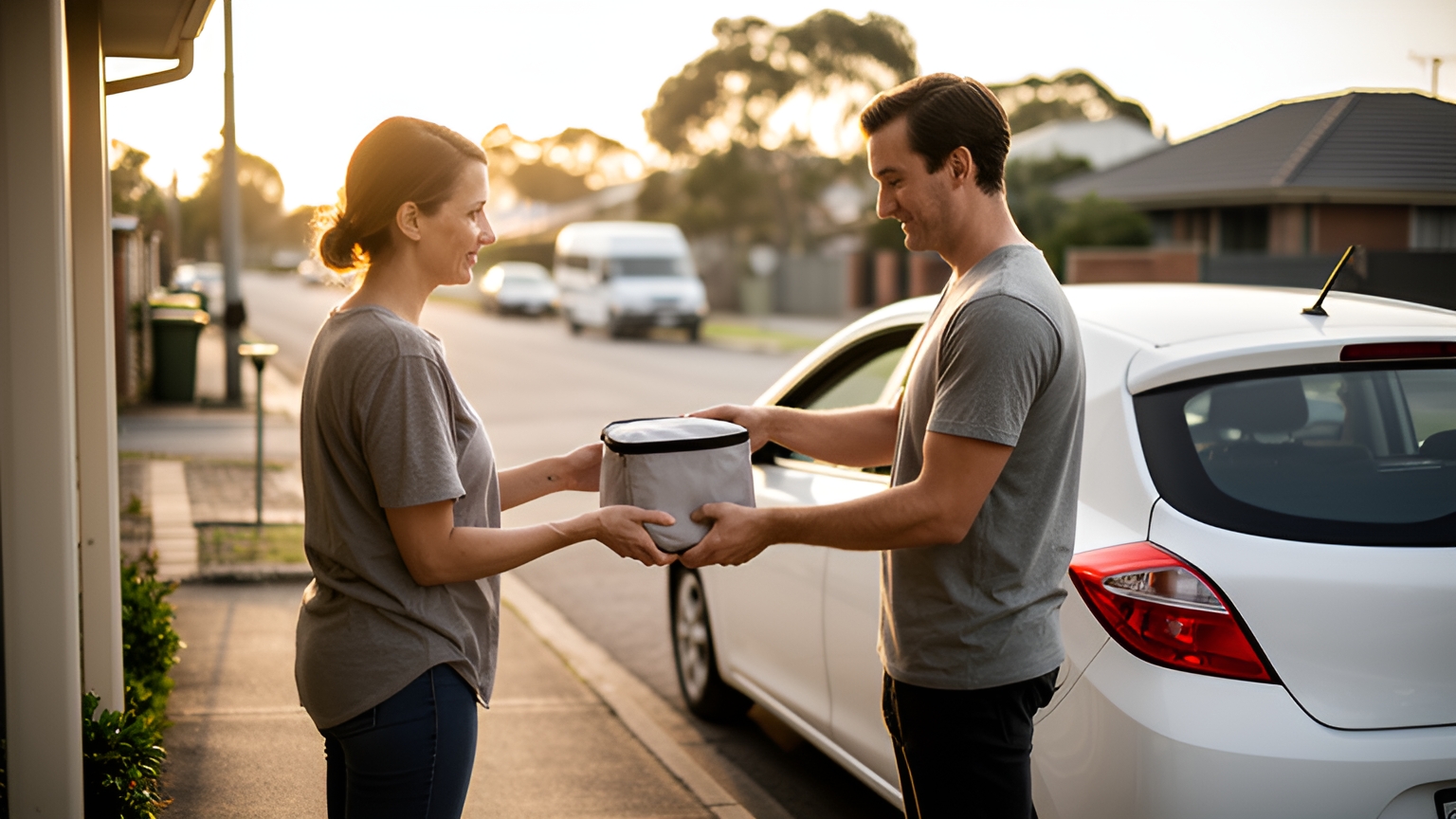
- Freeze the ice packs fully, and use a small insulated cooler or cooler bag that closes tightly.
- Wrap the ice packs in a tea towel or bubble wrap so they never touch the medicine directly. A frozen pack pressed against a box can push the medicine below its safe range.
- Put a fridge thermometer inside if you have one. Write down the reading and the time when you close the lid.
- Fill the gaps with scrunched paper so nothing slides around, then tape the lid shut.
- On the outside, write the person's name, the sender's and receiver's phone numbers, and a note to keep it cool, keep it upright and not freeze it.
- Leave the medicine in the fridge until the driver is at the door. Keep the packed cooler out of direct sun while it waits.
- Ask the receiver to put the medicine in the fridge as soon as it arrives and to note the thermometer reading.
Those two readings help if anything seems wrong. A pharmacist can use them to judge whether the medicine is still suitable.
A cooler is one of the clearest cases for a trip with no other stops on the way. This guide to dedicated VIP courier services and why priority deliveries need extra care explains how a direct trip differs from a shared run.
Choosing between same-day, three-hour and direct delivery for a medical item
If someone is unwell right now, call Triple Zero first. A courier moves the item. It never replaces medical help.
For everything else, choose the delivery by how soon the item is needed and how delicate it is.
| The situation | The option that fits | What to sort out first |
|---|---|---|
| Glasses, a hearing aid charger or paperwork needed by tonight | Same-day delivery | Confirm someone will be at home or on the ward in the evening |
| Medication or an inhaler needed within the next few hours | Three-hour express delivery | Have it packed and waiting at the door before you book |
| Fridge medicine, a CPAP machine or anything fragile | Direct delivery with no other stops | Pack the cooler last and give the receiver's mobile number |
| An item that has to arrive after dark | After-hours delivery | Check which entrance is open at night |
A Melbourne example. Your dad has been admitted to a hospital in central Melbourne, and his insulin is still in the fridge at home in Melton. Ring the ward first. Ask whether they want his own insulin brought in and how they want it handed over.
If the ward wants it, a three-hour express courier delivery matches a medicine needed that afternoon. Pack it in a cooler using the steps above.
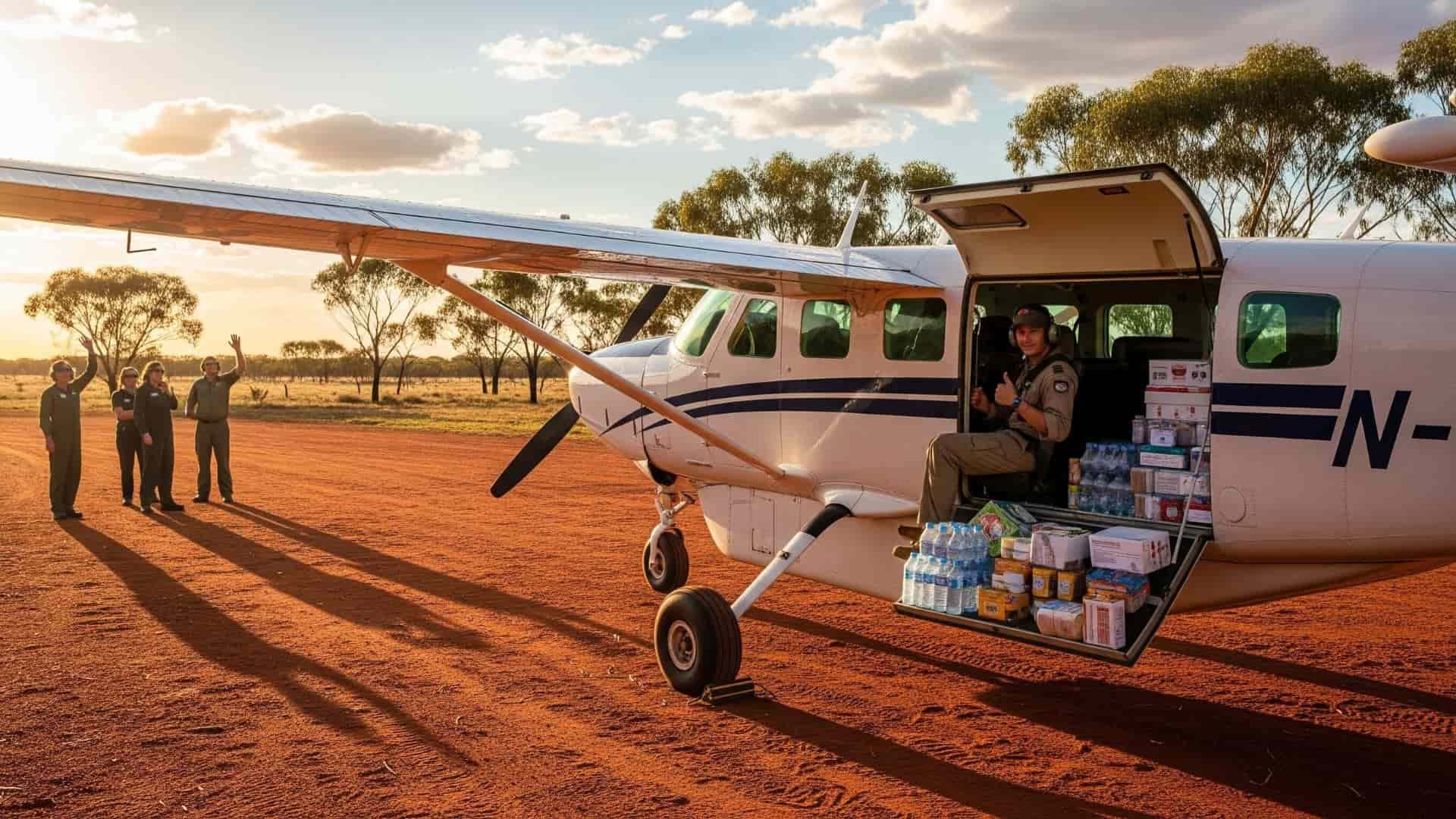
A regional Queensland example. Your mum is staying with relatives in Kingaroy, and her CPAP machine is at her home in Toowoomba. ABC News reports that "It takes approximately two hours to drive from Kingaroy to Toowoomba", so you want a trip with no extra stops that keeps the machine's time on the road as short as possible.
A direct VIP courier delivery, where the driver goes straight from pickup to drop-off, fits that job. For any regional trip, check that both addresses can be booked before you plan around it.
If two options seem to fit, choose the one with fewer stops for anything cold, and the faster one for anything someone needs to take today.
How to set up a calm, smooth handover at a hospital ward or a family home
The last few metres of a medical delivery go smoothly when everyone knows where to go and who will take the parcel. A few minutes of planning before you book sorts this out.
At a hospital ward, have these details ready:
- the hospital's name and full street address, plus the building name if the campus has several
- the ward name and the bed number
- the patient's full name as the hospital has it recorded
- which entrance the driver should use, and whether the parcel goes to the main front desk or straight to the nurses station
- the name and mobile number of the nurse or family member who will sign for it
- whether visiting hours or a locked ward door change any of the above
Ring the ward before you book to confirm these details. Then copy them into the delivery notes exactly, so the driver can follow them without needing to call.
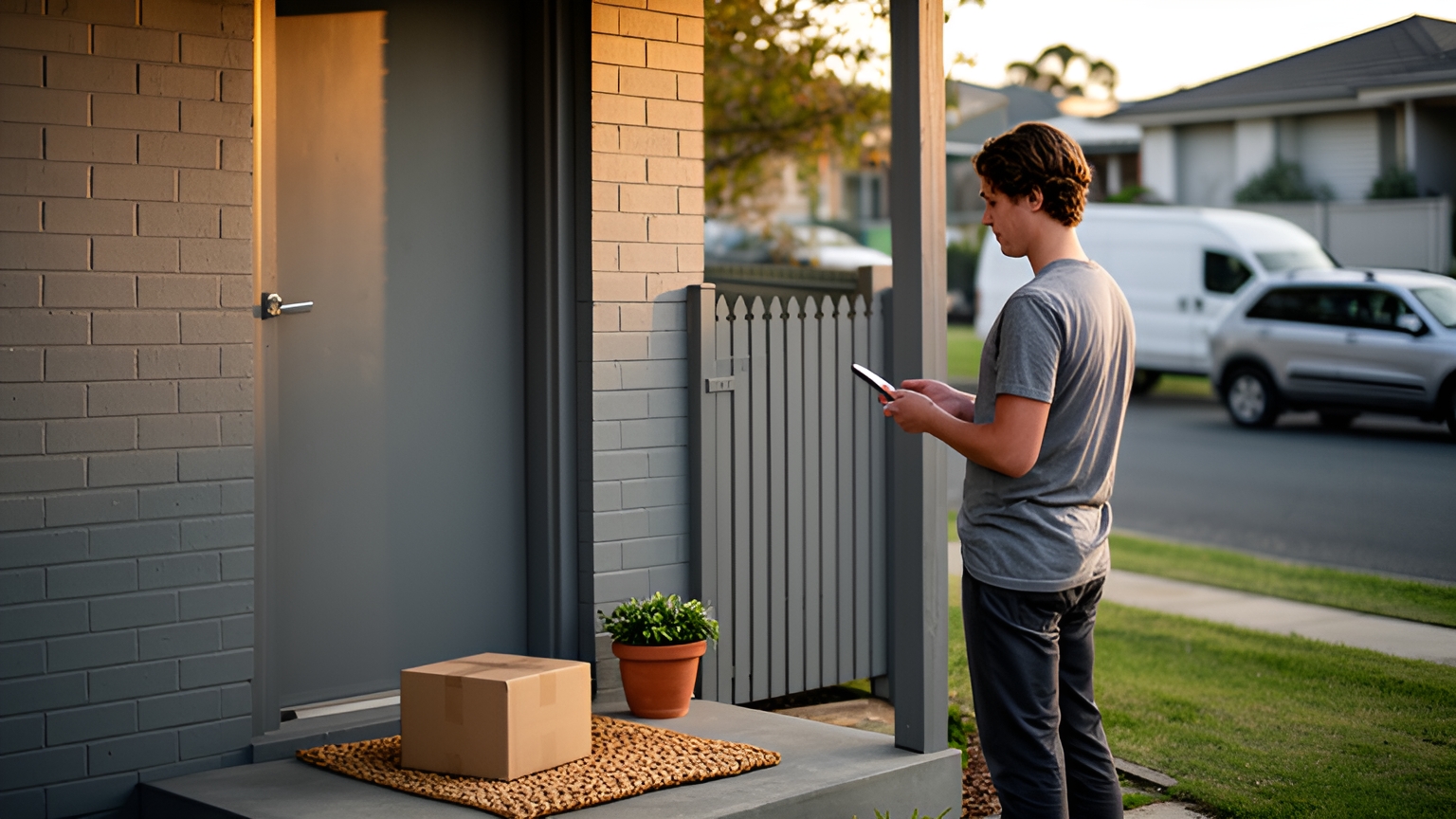
At a family home, the main thing is that someone is there. Never leave a cold medicine or a CPAP machine on a doormat or in a letterbox. Agree a time window with the receiver, and name a backup person, such as a neighbour, who can take it if plans change.
- Give the driver the receiver's mobile number, not only a landline.
- Include gate codes, apartment intercom details or directions to a side entrance.
- Ask the receiver to message you once the item is safely inside.
Evening handovers work well when the receiver knows to expect them. After-hours courier deliveries cover evenings and late nights. If you need one, confirm which entrance will be open at that time before you book.
When the parcel arrives, the receiver should open it straight away, check that everything in your photo is there and put any cold medicine in the fridge. A quick text back to you confirms the job is done.
Getting an urgent medical item moving with Zoom2u
Once the item is packed, the receiver is ready and the handover details are written down, booking is the easy part. Zoom2u is a platform that connects you with available independent drivers nearby for same-day and three-hour delivery across Australian metro areas.
Three-hour jobs come with live GPS tracking, so you can follow the trip on a map, and a photo taken at drop-off as proof of delivery.
For a cold or fragile item that should not share the trip with other stops, a VIP booking means the first available driver collects it and takes it straight to the destination. Evening and late-night handovers can be booked as after-hours deliveries.
The independent driver on Zoom2u who accepts the job does the carrying, so your delivery notes matter. Include the ward and bed number, the entrance to use, the receiver's mobile and a reminder to keep the cooler upright and out of the sun. The urgent delivery page sets out the same-day and three-hour options for items that need to move today.
Frequently asked questions
Can a family member collect my prescription from the pharmacy so a courier can take it on?
Pharmacies handle this differently, especially for medicines kept behind the counter. Ring your pharmacist first. Ask whether someone else can collect it on your behalf and what that person needs to bring, then book the delivery once the medicine is ready to hand over.
What should I do if a cold medicine arrives warmer than expected?
Put it back in the fridge. Do not throw it away, and do not use it until you have spoken to a pharmacist or the prescribing doctor. Keep the packaging and any temperature readings you noted at packing and on arrival, because they help the pharmacist judge whether the medicine is still suitable.
Can a medical item be delivered in the evening or late at night?
Yes, after-hours courier deliveries cover evenings and late nights. Before booking, ring the ward or the person receiving it. Confirm who will be there after hours, which entrance is open at that time and whether a front desk or the nurses station can sign for it.
Do CPAP machines or hearing aids with lithium batteries need special handling?
Rules may apply to lithium batteries, particularly if the item travels by air. Check the current guidance with the Civil Aviation Safety Authority and with the airline before booking any flight. Ask the receiver to confirm that the device and its batteries arrived together.
This article was drafted with AI assistance and checked by automated editorial, fact and legal review before publishing. Photographs are AI-generated.